
The Ethics of Free-Flight Training: Risks, Rewards, and Responsibilities
Published on: February 24, 2026 | Last Updated: February 24, 2026
Written By: Suzanne Levine
Seeing your parrot fly free is a breathtaking dream, but the thought of losing them forever is a terrifying nightmare.
I’ve felt that exact mix of hope and fear with my own birds. This article will help you navigate that complex emotional landscape by breaking down the core ethical considerations every owner must face.
We will explore three key takeaways:
1. The profound mental and physical rewards for your bird.
2. The very real, life-altering risks you must mitigate.
3. The non-negotiable responsibilities you accept as a trainer.
You will get clear, actionable advice to make an informed decision for your feathered friend.
Topics Covered: Assessing Bird Suitability, Step-by-Step Training Protocols, Mitigating Environmental Dangers, Legal and Moral Accountability, Building a Support System, Emergency Recall Drills
What Exactly Is Free-Flight Training?
Free-flight training is the practice of teaching a companion parrot to fly outdoors, untethered and without a harness, and to reliably return to you on cue.
This stands in stark contrast to harness training, where the bird is physically secured by a leash, or indoor flight, which is confined by the walls of your home.
- Harnessed flight offers safety but limits the parrot’s natural range of motion and flight patterns.
- Indoor flight is a fantastic foundation, but it doesn’t satisfy the deep-seated need for long-distance soaring and complex aerial maneuvers.
- True free-flight is the ultimate expression of trust, giving your bird the choice to fly back to you from hundreds of feet away.
This method directly supports instinctual parrot behaviors that are often suppressed in captivity.
My Green-cheeked Conure, Kiwi, embodies the curious explorer nature of his species, and free-flight allows him to safely satisfy that drive in a controlled way.
- Conures, like Kiwi, use complex flight to forage and navigate dense forest canopies; free-flight lets them practice these vital skills.
- Intelligent species like my African Grey, Sage, use flight for problem-solving and spatial awareness, keeping their brilliant minds sharp.
- It fulfills the fundamental need for flock dynamics, as your parrot learns to see you as their trusted flockmate to return to.
The concept isn’t entirely new, but its application to companion parrots has evolved significantly.
Modern free-flight draws inspiration from ancient falconry techniques, adapting them for the unique psychology of parrots rather than birds of prey.
- Historically, falconers trained raptors to hunt and return, a relationship built on mutual benefit and deep understanding.
- In recent decades, dedicated parrot enthusiasts began systematically applying these principles, focusing on positive reinforcement and the parrot’s emotional well-being.
- This evolution marks a shift from simply keeping parrots to actively partnering with them in a shared, enriching experience.
The Bright Side: Rewards of Free-Flight Training
The benefits of a properly managed free-flight program touch every aspect of a parrot’s life.
Physically, it transforms a parrot’s body, building incredible cardiovascular health and muscle tone that cage-bound life simply cannot provide.
- Flight is a full-body workout that drastically reduces the risk of obesity and related illnesses.
- It improves coordination, balance, and landing precision, making them more graceful and confident fliers even indoors.
- Mental boredom and associated feather-plucking behaviors often see a dramatic decrease because their world just got infinitely bigger.
The bond you forge through this process is unlike any other.
This isn’t just about obedience; it’s a relationship built on a foundation of pure, earned trust that must be renewed with every flight.
- Your parrot isn’t returning because it has to; it’s returning because it wants to be with you.
- You become a team, working together and communicating through subtle body language and recall cues.
- The shared joy and pride you feel when your bird loops through the sky and lands gently on your arm is absolutely indescribable.
I’ve witnessed these transformations firsthand with my own flock.
After starting his free-flight training, Kiwi’s playful curiosity blossomed into a focused confidence I’d never seen in him before.
- Kiwi became more attentive and less prone to nippy behavior, channeling his energy into our training sessions.
- My African Grey, Sage, who can sometimes be reserved, began initiating more interaction, seeming prouder and more engaged with her surroundings.
- Even my Sun Conure, Sunny, whose flights are shorter, shows a visible zest for life, chirping excitedly when she sees her training gear.
The Shadow Side: Risks and Your Responsibilities
-
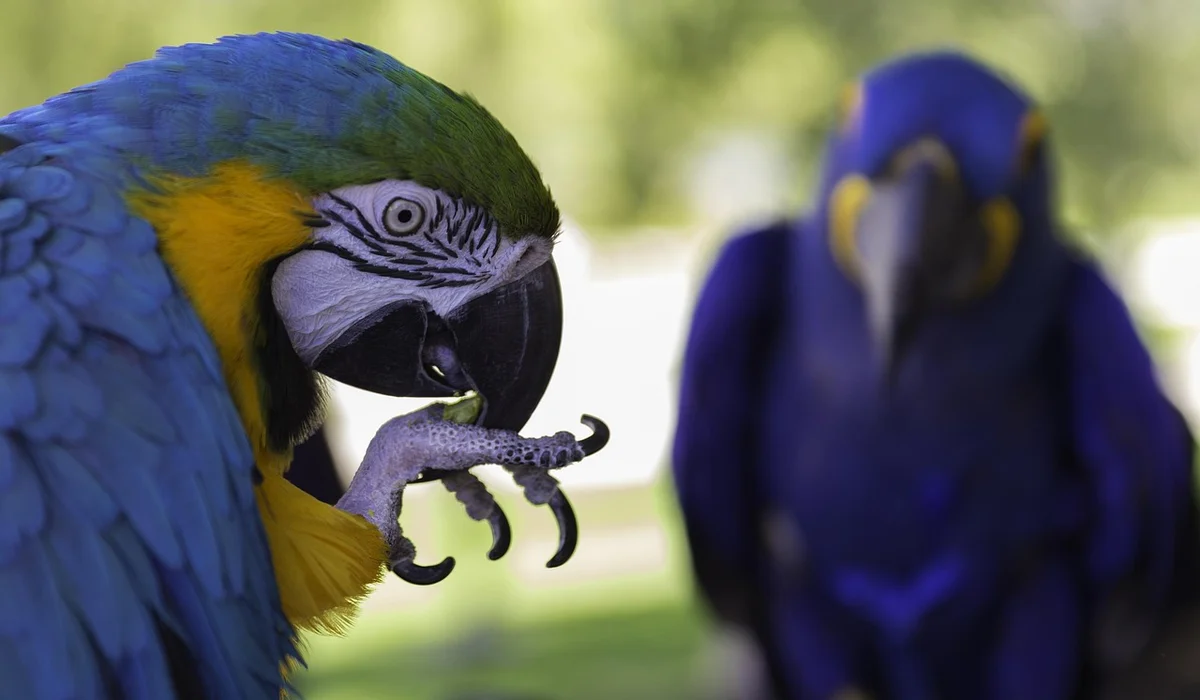
Free-flight training carries real dangers that can turn a joyful moment into a nightmare. Injuries from collisions with windows or trees are common, and I’ve seen my Green-cheeked Conure Kiwi zip too fast and bump into a branch, leaving him shaken. Predation is a constant threat-hawks or stray cats can strike in seconds. One fellow parrot owner lost a bird to a sudden hawk attack during an outdoor session. Escapes happen easily; strong winds or loud noises can spook your parrot into flying out of reach. My Sun Conure Sunny once bolted when a truck backfired, and we spent hours searching before finding him safe.
-
You hold the key to your parrot’s safety through accountability. Always have an emergency kit ready with a carrier, first-aid supplies, and your avian vet’s number, because quick action saved Kiwi when he got a minor cut mid-flight. Supervise every session without distractions—no phones or multitasking. I make it a rule to watch my parrots like a hawk, ensuring I can intervene if something goes wrong. Practice recall drills regularly so your bird responds reliably, even in stressful situations. Routine training helps you address behavioral issues through routine training by reinforcing calm responses and clear cues. Consistency is your best tool for shaping behavior over time.
-
Manage risks by taking proactive steps. Check the environment for hazards like power lines, open water, or other animals before each flight, just as I do with Sage, my African Grey, to avoid surprises. These are essential steps to parrot-proof the room for a safe flight. By removing hazards and securing the space, you create a room-safe flight environment. Progress training slowly, starting in enclosed spaces and gradually increasing distance. Use positive reinforcement to build confidence, never forcing your parrot beyond its comfort zone. Weather matters too; avoid windy or extreme days to prevent disorientation or exhaustion.
Potential Hazards in Free-Flight
-
Specific threats can catch you off guard if you’re not prepared. Weather extremes like sudden storms or heatwaves pose risks—I once had to cut short a flight with Sunny when temperatures soared, as panting signaled distress. In the wild, natural predators and domestic dangers from pets and busy environments add another layer of risk. Disorientation is real; parrots might get lost in unfamiliar areas, so always choose locations with clear landmarks and minimal noise. Mitigate these by using GPS trackers on harnesses and picking quiet, open spots away from traffic.
-
Simple tactics reduce dangers significantly. Fit your parrot with a lightweight tracking device; it’s a lifesaver for locating them fast, like when Kiwi wandered into a neighbor’s yard. Select safe locations with soft landing zones and no predators nearby. Train during calm weather and keep sessions short to prevent fatigue. I always scout the area first, looking for hidden risks like toxic plants or busy roads. When indoors, create a safe, stimulating flight environment for your parrot. Clear open space, add varied perches and engaging toys, and supervise flights.
Owner Duties and Safety Protocols
-
Follow this checklist to keep flights safe and stress-free. Pre-flight assessments include checking your parrot’s health, weather conditions, and the environment for hazards-I do this with all my birds to avoid mishaps. Post-flight monitoring involves watching for signs of exhaustion or injury, like labored breathing or limping. Have a hydration station ready and offer treats to reinforce positive behavior. Keep a log of each session to track progress and spot patterns.
-
First aid knowledge is non-negotiable for parrot owners. Learn basics like stopping bleeding or stabilizing a fracture; I took a course after Sage had a scare, and it gave me peace of mind. Regular health checks with an avian vet ensure your parrot is fit for flying. Monitor weight and behavior changes—if your bird seems off, skip the flight. Always have a plan for emergencies, including how to transport your parrot safely if injured. In a sick parrot emergency, home first aid preparation can make a critical difference while you arrange veterinary care. Being prepared for home first aid emergencies helps you act quickly and calmly when trouble hits.
Ethical Considerations in Free-Flight Training
-
Respecting parrot autonomy means honoring their instincts and choices. Training should feel like a partnership, not coercion; I’ve noticed Kiwi’s playful curiosity makes him eager, but if he hesitates, we pause. Welfare concerns include stress from forced behavior-pushing a scared parrot to fly can lead to fear or aggression. In avian ethics, we aim to enhance natural behaviors, like soaring, without causing harm. For example, Sunny’s social nature means he thrives on interaction, but I never make him perform if he’s not in the mood.
-
Professionalism and transparency build trust in training practices. Seek mentorship from experienced trainers who prioritize animal welfare; I learned from a mentor how to read subtle cues in my parrots’ body language. Avoid shortcuts or harsh methods-positive reinforcement works best for long-term bonding. Share your experiences openly with other owners to promote ethical standards and collective learning.
Consent and Parrot Autonomy
-
Reading body language tells you if your parrot is willing. Look for signs like relaxed feathers, bright eyes, and eager chirps-when Sage tilts his head and steps forward, I know he’s ready for a flight session. Discomfort shows through pinned eyes, fluffed feathers, or retreating; if I see that, we stop immediately. Build trust over time with gentle interactions and rewards, never using fear or punishment. I’ve found that patience with Kiwi’s playful antics strengthens our bond and makes training more effective.
-
Focus on trust-building instead of coercion. Offer choices, like letting your parrot decide when to start or end a flight, which empowers them and reduces stress. These bonding techniques that work are built on consistent, respectful interactions. Use favorite treats or toys to encourage participation, but respect their limits. I always let Sunny set the pace, and his affectionate responses show he feels safe and valued.
Standards and Accountability in Training
-
Ideal ethical guidelines emphasize safety, consent, and education. Gaps in regulation can lead to irresponsible practices, so I advocate for owner-led communities that share best practices and support each other. Follow principles like gradual progression, habitat respect, and vet oversight to prevent harm. For instance, I never train new behaviors without consulting an expert to ensure they’re species-appropriate.
-
Education is your best tool for ethical training. Seek guidance from avian behaviorists or certified trainers to avoid common pitfalls; I did this early on and it transformed how I work with my parrots. Stay informed on research about parrot cognition and welfare-it helps you make decisions that honor their intelligence. Share your journey to inspire others to prioritize their birds’ well-being over spectacle or speed.
Is Your Parrot a Good Candidate for Free-Flight?
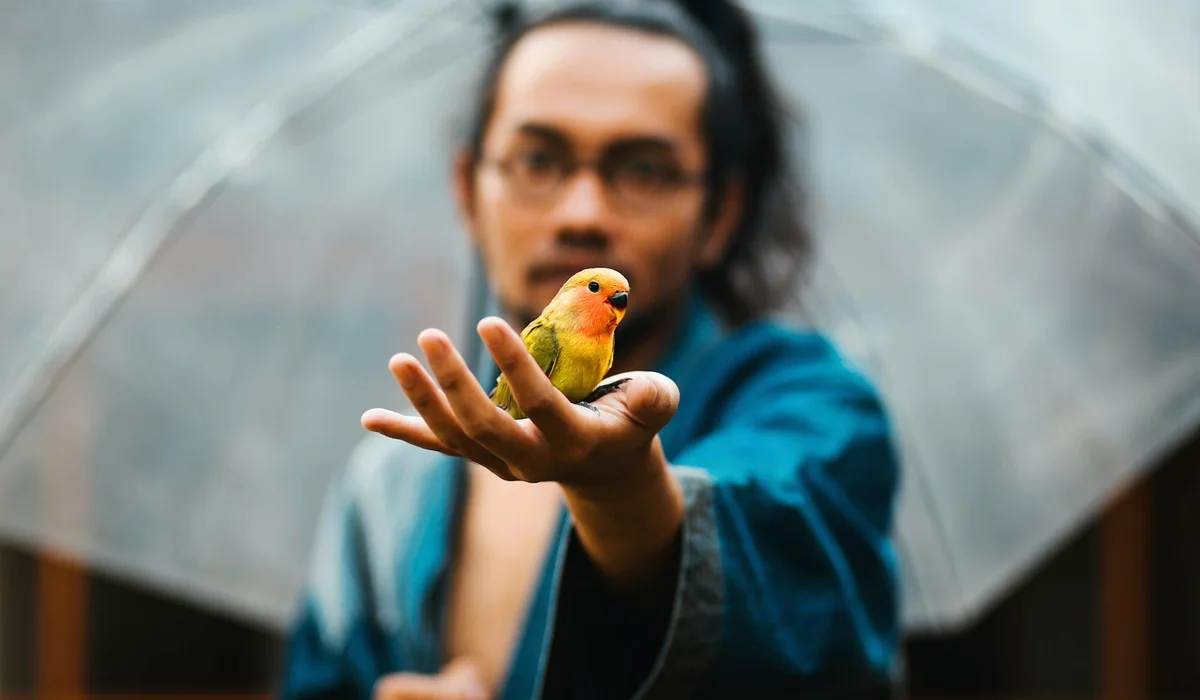
Deciding to train your parrot for free-flight is a massive commitment. This choice affects your bird’s safety and quality of life forever. I’ve made this decision with my own flock, and it’s never one I take lightly.
Readiness Checklist
Before even thinking about outdoor flight, your parrot must pass this checklist. Missing even one item is a solid reason to pause your plans. Are you wondering if your parrot is about to take flight? Look for a ready stance and alert wing movements.
- Health: Your bird needs a clean bill of health from an avian vet. This includes stable weight and no underlying conditions.
- Age: Young, fully-fledged parrots (over 6 months) often learn faster, but mature birds with strong bonds can excel too.
- Personality: Is your parrot naturally confident and curious, or more timid and nervous? Confidence is key.
- Prior Training: Your parrot must reliably step up, recall to you indoors, and accept handling without fear.
Species-Specific Traits
Your parrot’s species plays a huge role in their suitability for free-flight. A conure’s flight style and risk profile is vastly different from a macaw’s.
- Conures (like my Kiwi): Often agile and quick, but their smaller size makes them more vulnerable to predators like hawks. Their strong flock instinct can be a powerful recall tool.
- Larger Parrots (like Greys or Macaws): They are powerful fliers but can be more deliberate and less panicky. However, if they do spook, they can travel much farther, much faster.
Personal Decision-Making
My Sun Conure, Sunny, was a natural candidate-social, food-motivated, and incredibly bonded. We built his training over a year before his first controlled outdoor flight. In contrast, my African Grey, Sage, is brilliantly smart but more cautious. I decided free-flight wasn’t for him; his happiness comes from complex puzzles and indoor flight exercises, which is a perfectly ethical choice.
Health and Behavior Evaluation
A thorough daily evaluation is non-negotiable. You must become an expert in reading your parrot’s subtle body language and physical state.
Key Indicators of Readiness
- Stable, healthy weight for their species and build.
- A confident demeanor-willingly explores new perches and toys.
- Maintains feather condition through preening and baths.
- Eagerly responds to your recall command indoors, even with minor distractions.
Warning Signs to Delay Training
- Any sign of fearfulness, like consistent screaming or fleeing from you.
- Existing health issues, especially respiratory or heart conditions.
- Barbering or plucking feathers, which indicates stress.
- Unpredictable behavior or aggression.
Training Foundations and Prerequisites
Free-flight is an advanced Ph.D. program for parrots. You cannot skip the foundational kindergarten, elementary, and high school levels of training first.
Basic Commands and Trust Exercises
- Step-Up & Step-Down: Must be rock-solid and voluntary.
- Indoor Recall: Your parrot must fly to you from across a room on command.
- Target Training: Using a stick to guide your parrot builds focus and control.
- Harness Acclimation: Your parrot should see their harness as a positive, neutral object, not a threat.
Gradual Steps to Build Competency
- Master all basic commands in a small, familiar room.
- Practice in a larger, more distracting indoor space.
- Introduce the harness in short, positive sessions indoors.
- Practice recall with the harness on, indoors.
- Only then do you consider a controlled, safe outdoor environment.
Navigating Free-Flight Training Safely and Ethically
Safety isn’t just a step in the process; it’s the entire foundation. Every single flight session is a managed risk, not a guaranteed success. Your responsibility is to minimize that risk at every turn.
Essential Gear and Its Proper Use
The right gear can be the difference between a successful flight and a tragedy. Never compromise on quality or fit for your parrot’s equipment.
- Avian Harness: Choose a well-designed harness specifically for parrots. It must be snug enough to prevent escape but never restrict breathing or movement.
- GPS Trackers: For larger parrots, a lightweight GPS unit attached to the harness can help you locate them if they get lost.
- Training Leash: A long, lightweight line gives you physical control during early outdoor sessions.
I check Kiwi’s harness for wear and tear before every single session. A five-minute gear check is a cheap price to pay for your parrot’s life.
Progressive Training Phases
Rushing this process is the most common and dangerous mistake. Break training into tiny, successful steps that build your parrot’s confidence and skills. Avoid other common parrot training mistakes, such as long sessions, inconsistent rewards, or forcing behaviors. By keeping sessions short and positive, you’ll help your bird learn reliably without frustration.
- Phase 1: Harness Acclimation & Indoor Flight. The goal is for the harness to be a non-issue. Reward heavily for calm behavior.
- Phase 2: Controlled Outdoor Exposure. Start in a fully enclosed space like a aviary or a secure porch. Keep sessions very short.
- Phase 3: Short-Distance Leashed Flights. Use a training leash outdoors. Practice recall over 10-15 feet in a quiet, open area.
- Phase 4: Leash-Free in a Secure Area. Only attempt this in a large, netted aviary or a completely predator-proofed space.
- Phase 5: True Free-Flight. This is the final stage for experienced birds and trainers in ideal, controlled environments. Constant vigilance is required.
Always end on a positive note, even if you only manage a single successful recall. Pushing a tired or distracted parrot leads to mistakes and eroded trust. Watch your bird’s energy levels closely and let them set the pace.
## Common Questions
Which parrot species are generally considered the best and worst candidates for free-flight training?
Species with strong flocking instincts, like many conures and cockatoos, are often better candidates as they are more likely to return. High-strung or independent species, or those prone to spooking, may present a greater flight risk and require much more careful evaluation.
How long does it typically take to fully train a parrot for reliable free-flight?
The timeline varies dramatically, often taking a year or more of consistent, daily training to build the necessary trust and skills. Rushing the process is a primary cause of failure, as each bird learns at its own pace and must master foundational commands first.
What are the legal implications if my free-flighted parrot causes an incident or damages property?
As the owner, you are legally responsible for your parrot’s actions and any resulting damage or disturbance. It is crucial to understand local ordinances regarding exotic pets and liability before beginning any outdoor training sessions. Also, check housing regulations for parrots in your area to ensure a compliant setup. Knowing the legality of keeping a parrot helps you avoid fines and provide a safe home for your bird.
A Final Word on Flying Free
Ultimately, free-flight training is a profound commitment that demands you put your parrot’s safety and psychological well-being above the desire for an amazing spectacle. It requires a foundation of deep trust, meticulous environment assessment, and an honest evaluation of your own skills as a trainer.
Being a stellar parrot guardian means embracing a journey of continuous education about their complex needs, whether you choose to fly free or not. The most ethical path is always the one that prioritizes your bird’s long-term health and happiness, ensuring they thrive in your care for years to come. When you’re choosing a parrot guardian, look for experience and a clear plan for ongoing care. Your choice should reflect a commitment to your bird’s lifelong welfare.
Further Reading & Sources
- Code of Ethics – Society of Aviation and Flight Educators
- Maintaining Professionalism and Ethics as a Flight Instructor – Student Pilot Community
- Model code of conduct issued for flight instructors – AOPA
Suzanne Levine is a dedicated parrot enthusiast and experienced avian caregiver with over 15 years of hands-on experience in parrot care. As the founder of Parrot Care Central, Suzanne is passionate about sharing her knowledge and insights to help fellow parrot owners provide the best possible care for their feathered friends. Her expertise spans nutrition, behavior, health, and enrichment, making her a trusted resource in the parrot care community.
Obedience Training