
Financial Follies: 7 Costly Mistakes New Parrot Owners Make
Bringing home a parrot like my playful Kiwi felt like a dream, but I soon faced the shock of hidden expenses that can drain your wallet and stress you out. Many new owners jump in without realizing how quickly costs add up, from food to vet bills.
I’ve learned from my own missteps with Kiwi, Sunny, and Sage, and I’m here to guide you through the top financial pitfalls. You’ll walk away with practical tips to save money and keep your bird happy, including:
- How to budget for unexpected vet emergencies without panic.
- Smart ways to avoid overspending on cages and toys.
- Why skipping quality food now leads to bigger bills later.
By the end, you’ll have straightforward advice to protect your finances and your feathered friend. We’ll explore topics like: Underestimating Setup Costs, Overlooking Diet Expenses, Ignoring Vet Funds, Skimping on Enrichment, Failing Long-Term Planning, Impulse Buys, and Neglecting Insurance Options.

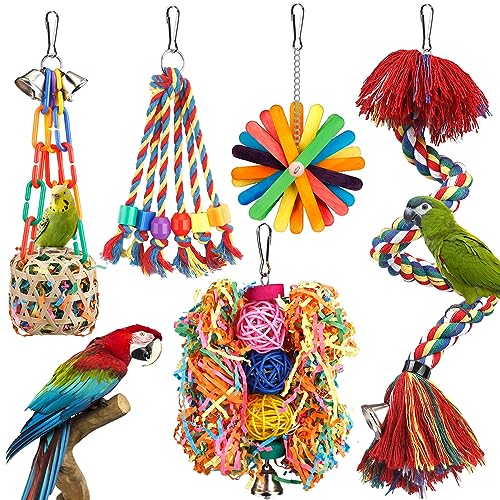

Mistake 1: Underestimating Initial and Lifetime Parrot Costs
Many new owners walk into a pet store and see the adoption fee, thinking that’s the main expense. That single number is just the tip of the iceberg, and the real financial commitment begins the moment you say “yes.”
The Upfront Investment
You need to budget for these essentials before bringing your feathered friend home:
- Adoption or Purchase Fee: This varies wildly by species, from a few hundred to over a thousand dollars.
- Cage: A proper, spacious cage is non-negotiable for their well-being.
- Multiple Perches: You need different diameters and textures for foot health.
- An Assortment of Toys: Parrots are intelligent and need mental stimulation to prevent boredom.
- Food and Water Dishes: Stainless steel is best for hygiene and durability.
- Initial Vet Visit & Microchip: A wellness check is crucial, and a microchip is a safety net.
- First Aid Kit: Tailored for birds, because emergencies happen.
The Long Haul of Lifetime Costs
My Green-cheeked Conure, Kiwi, is only 3 years old, but conures can live 25-30 years. My Sun Conure, Sunny, could be with me for three decades. You aren’t just buying a pet; you’re adopting a toddler with wings for the next half of your life. I budget for my flock’s annual costs like a recurring subscription I can never cancel. This includes high-quality pellets, fresh vegetables, new toys they destroy monthly, and a vet fund for unexpected illnesses.
| Expense Category | Initial (One-Time) Cost | Ongoing Annual Cost |
|---|---|---|
| Bird & Setup | $500 – $2,500+ | – |
| Food & Treats | – | $300 – $600 |
| Toys & Enrichment | – | $200 – $500 |
| Veterinary Care | – | $150 – $400 |
| Cage Replacement/Maintenance | – | $50 – $200 |
Mistake 2: Choosing a Low-Quality Cage to Save Money
I get it. A large, powder-coated stainless steel cage can cost more than some televisions. That high price tag isn’t a luxury; it’s an investment in your parrot’s safety and your own future sanity.
Why Durability is Safety
Flimsy, cheap cages with weak welds and poor-quality bars are a disaster waiting to happen. A determined parrot like my curious Kiwi can bend thin bars, creating an escape route or, worse, getting a head or foot stuck. The paint on low-budget cages often contains zinc or lead, which are toxic if ingested when your bird chews on the bars. A safe cage is the foundation of a secure home, not an optional upgrade.
The Hidden Cost of “Saving” Money
That bargain cage seems like a win until you’re replacing it in two years because the finish has chipped, the door latch is broken, and it’s rusting. I learned this the hard way with my first small cage for Kiwi. It seemed fine until the plastic base became stained and smelly, impossible to clean properly. You end up spending more on replacements and vet bills for potential injuries than you would have on a single quality cage that lasts 15+ years. Good cages are easier to clean, saving you time and effort on daily maintenance, which is a cost in itself.
Mistake 3: Ignoring Ongoing Toy and Enrichment Expenses
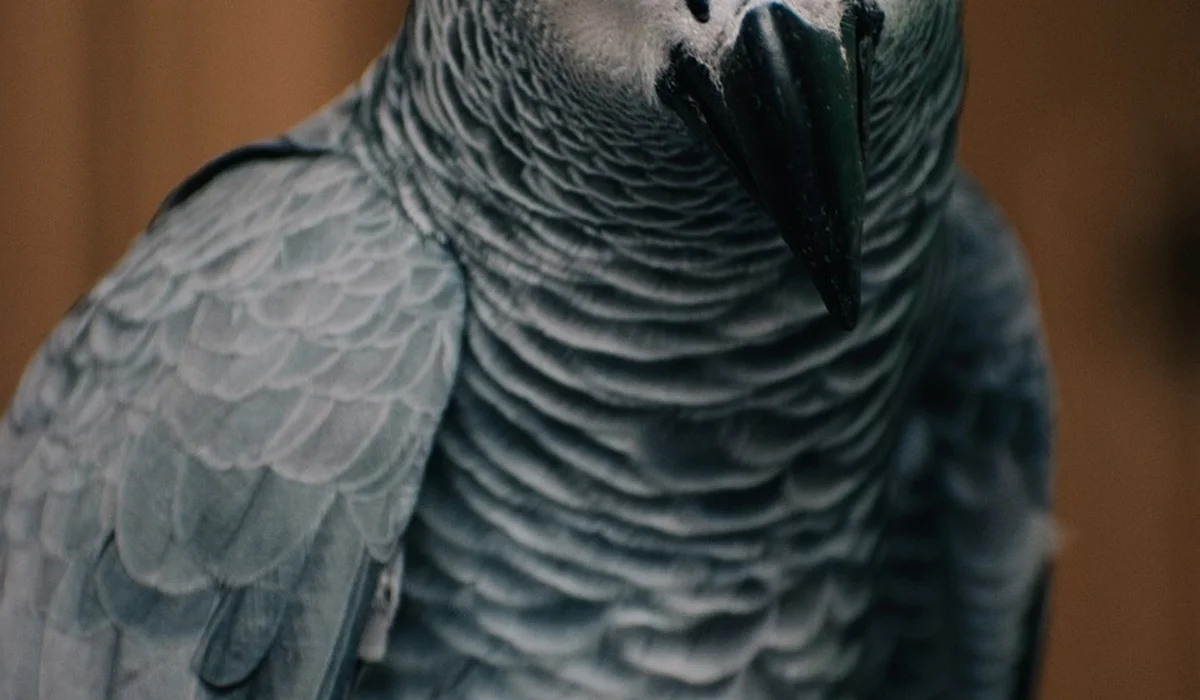
I learned this lesson the hard way when my conure Kiwi started plucking feathers out of sheer boredom. Parrots are intelligent creatures who need constant mental stimulation, much like a curious toddler with wings.
What Toys Really Cost Annually
Expect to replace toys every 1-3 months depending on your parrot’s chewing intensity. My Green-cheeked Conure Kiwi destroys a medium-sized toy in about six weeks, while my African Grey Sage makes toys last longer with gentle manipulation.
- Basic wood blocks: $15-25 monthly
- Foraging puzzles: $20-40 every 2 months
- Destructible toys: $12-30 monthly
- Noise-making toys: $18-35 occasionally
Budget at least $300-500 annually for toy rotation to keep your parrot engaged and happy.
Why Mental Stimulation Matters
Bored parrots develop behavioral issues that are heartbreaking to witness and expensive to treat. My Sunny started screaming incessantly until I realized she needed more interactive playtime. Boredom was the culprit.
- Prevents feather plucking and self-mutilation
- Reduces excessive screaming and attention-seeking
- Stops destructive chewing on furniture and walls
- Builds confidence through problem-solving activities
Regular enrichment transforms anxious birds into content companions who feel secure in their environment.
DIY Toy Solutions That Save Money
Get creative with household items! My parrots love these homemade toys almost as much as store-bought ones.
- Cardboard egg cartons with hidden treats inside
- Untreated pine blocks drilled with holes for threading
- Old phone books for shredding (remove any glossy pages)
- Natural vine balls woven with vegetable strips
Always supervise your parrot with DIY toys and immediately remove any frayed or broken pieces to prevent accidents. Avoid using materials with toxic inks, glues, or small parts that could be swallowed. To help you make safe, fun homemade toys for your parrot, choose bird-safe, non-toxic materials. Simple DIY toys using untreated wood, cotton rope, and safe bells can provide enrichment while staying safe.
Mistake 4: Skipping Veterinary Check-Ups and Insurance
When Sage developed a respiratory infection last year, the emergency visit cost me $800. Parrots hide illness until they’re critically sick, making regular vet care non-negotiable.
Understanding Real Veterinary Costs
Avian veterinarians require special training, and their services reflect that expertise. Here’s what I’ve actually paid:
- Annual wellness exam: $85-150
- Basic blood work: $120-200
- Emergency visit fee: $150-300 alone
- X-rays for injury assessment: $200-400
- Medications and supplements: $30-100 monthly
One serious illness can easily cost $1,500-3,000, which devastates families unprepared for such expenses.
How Pet Insurance Eases Financial Worry
After Sage’s emergency, I researched insurance thoroughly. Good policies cover unexpected illnesses and injuries.
- Monthly premiums typically range $15-40 per bird
- Look for coverage that includes diagnostic tests and medications
- Choose higher deductibles for lower monthly payments if you have savings
- Verify that your avian vet accepts the insurance before enrolling
Insurance transforms catastrophic bills into manageable payments, letting you focus on your bird’s recovery rather than your budget.
The Emergency Fund Safety Net
Even with insurance, you need cash reserves. Dedicate a separate savings account specifically for parrot healthcare.
- Start with $500 as your baseline emergency fund
- Add $50-100 monthly until you reach $2,000
- Keep this money accessible but separate from regular accounts
- Replenish immediately after any veterinary withdrawals
Having dedicated bird emergency funds means never choosing between your parrot’s health and your financial stability. I sleep better knowing I can handle whatever health challenges arise with my flock.
Mistake 5: Compromising on Diet and Nutrition
-
Food costs can sneak up on you if you are not careful. Pellets run about $20 to $40 monthly for a medium-sized parrot, while seed mixes often cost $10 to $25 but lack balanced nutrition. Fresh fruits and vegetables add another $15 to $30, depending on what is in season. I learned this the hard way with Kiwi, my Green-cheeked Conure, when I initially stuck to cheap seeds and saw his energy dip. To keep nutrition balanced on a budget, I set a monthly limit for pellets, produce, and treats. Tracking these costs helps me make sure Kiwi stays healthy and full of energy.
-
Poor nutrition choices lead straight to vet bills. Skipping pellets for seed-heavy diets causes obesity and vitamin deficiencies, and feeding toxic foods like avocado or chocolate can trigger emergencies costing hundreds. My Sun Conure, Sunny, once nibbled on an unsafe plant, and the vet visit set me back over $150. Always check what is parrot-safe to avoid these scares.
-
Budget wisely without skimping on health. Buy pellets in bulk to save money, incorporate affordable seasonal produce like carrots and apples, and limit seeds to occasional treats. I mix homemade chop for Sage, my African Grey, using leftover veggies, which cuts costs and keeps her meals varied. Planning weekly menus helps you stick to a budget while ensuring balanced nutrition.
Mistake 6: Not Planning for Unexpected Parrot Expenses
-
Surprise costs pop up more often than you would think. Common ones include grooming sessions for nail trims or wing clips at $20 to $50 each, and accessory replacements like chewed-up toys or worn perches that can cost $10 to $40 apiece. Cages and carriers may need unexpected upgrades too, adding another $50 to $200 to your bill.
-
Build a savings buffer step by step. Start by setting aside $10 to $20 monthly in a separate account labeled for parrot emergencies, and review your budget every few months to adjust for rising costs. Seasonal care costs can fluctuate, so plan quarterly and adjust your savings with the seasons. A year-round buffer helps you cover seasonal vet visits and holiday-related expenses without stress. I automate a small transfer for my birds, which has saved me from stress when Sage needed a sudden vet visit last year.
-
Real-life examples show how quickly expenses add up. When Kiwi’s playstand broke during a energetic session, replacing it cost $35, and an unplanned grooming for Sunny after a molt ran me $30. Bigger shocks, like an infection requiring antibiotics, can hit $200 or more. Planning ahead lets you handle these without financial strain.
Mistake 7: Impulse Buying on Non-Essential Accessories
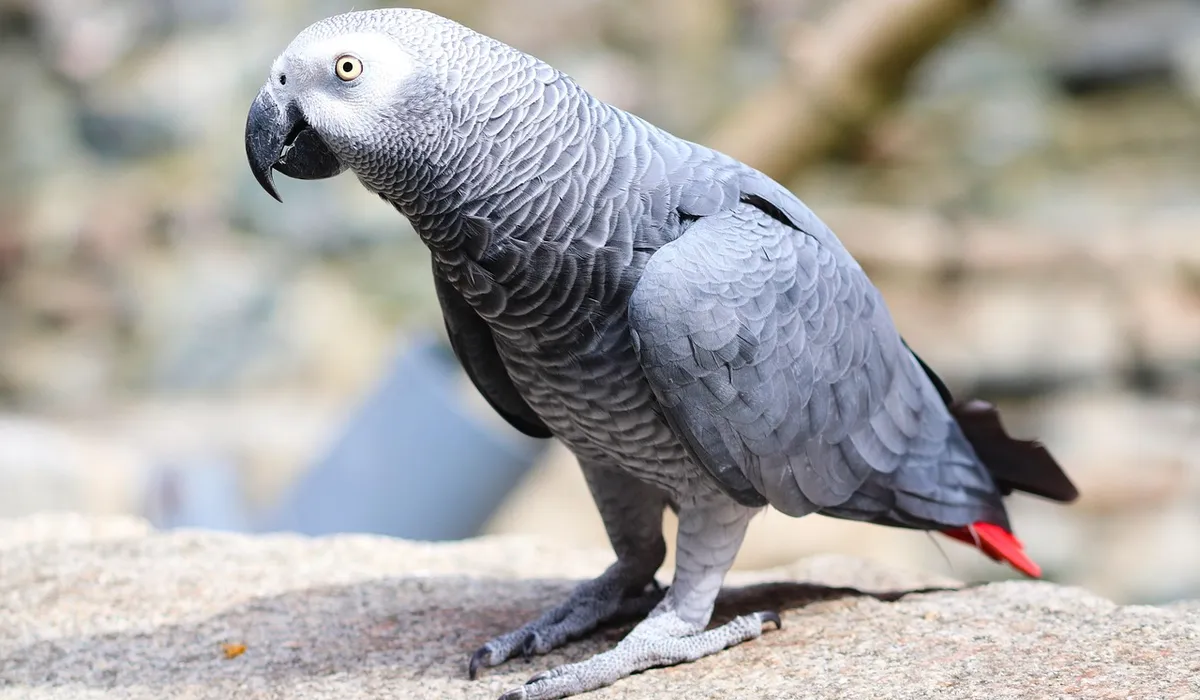
I’ve seen too many new parrot owners get swept up in flashy pet store displays and online fads. Those colorful but pointless gadgets can quickly drain your wallet without adding real value to your bird’s life.
With my flock-Kiwi, Sunny, and Sage-I learned the hard way after buying a pricey, neon-colored swing that none of them touched. Always ask yourself if an item supports your parrot’s health or is just a temporary distraction.
Focus your spending on what truly matters for their well-being. Needs like nutritious food, vet care, and a secure cage should always come before wants like decorative perches or trendy toys.
Use this simple checklist to evaluate every purchase decision:
- Is this item safe and non-toxic for my parrot?
- Will it be used regularly for enrichment or health?
- Can I find a cheaper or DIY alternative?
- Does it address a specific need, like chewing or foraging?
- Have I researched reviews from other parrot owners?
Smart Budgeting Strategies to Avoid Financial Pitfalls
Cutting costs doesn’t mean sacrificing quality care for your feathered friends. Bulk buying staples like pellets and treats can save you a significant amount over time.
I stock up during seasonal sales and store items properly to avoid waste. Rotating toys and perches among my parrots keeps things fresh without constant new purchases.
For multi-pet households, planning ahead is key. Since I care for Kiwi, Sunny, and Sage together, I buy shared supplies in larger quantities to reduce per-bird expenses.
Here are practical tips I’ve used to manage expenses effectively:
- Purchase food and bedding in bulk from trusted suppliers.
- Make your own toys from safe household items like untreated wood.
- Set aside a monthly budget for parrot care and stick to it.
- Join online forums or groups to swap unused items with other owners.
- Schedule vet check-ups during off-peak times for potential discounts.
My personal success came from tracking spending and adjusting habits. By focusing on essentials and avoiding impulse buys, I’ve kept my annual costs down while ensuring all three parrots thrive.
FAQs
What are the initial costs of owning a parrot?
Initial costs include the adoption fee, a sturdy cage, perches, toys, dishes, and a vet visit, typically ranging from $500 to over $2,500. These expenses ensure your parrot has a safe and stimulating home from day one. To understand how much a parrot costs upfront, consult our complete initial purchase price guide. It breaks down each cost category and typical price ranges to help you budget effectively.
What are the ongoing annual costs of parrot ownership?
Ongoing annual costs cover food, toys, veterinary care, and cage maintenance, usually totaling $700 to $1,700 per bird. This is part of a complete parrot ownership cost breakdown—from purchase through lifelong care—covering all stages of expenditure. Budgeting for these recurring expenses helps prevent financial strain over your parrot’s lifetime.
Are there any insurance options and costs for parrots?
Yes, pet insurance for parrots is available with monthly premiums averaging $15 to $40 per bird. This coverage can offset costly vet bills for illnesses or emergencies, providing peace of mind. Is it worth it for your bird? Compare parrot insurance costs with your expected vet bills to decide if this coverage makes sense for you.
What are potential unexpected expenses when owning a parrot?
Unexpected expenses may include emergency vet visits, grooming, or replacing chewed toys and perches, often costing $20 to $200 or more per incident. Building a dedicated savings fund helps manage these surprises without stress. For small parrots, budget-friendly options like starter cages, durable chew toys, and community vet care can keep costs manageable for first-time owners. A simple, reachable plan—such as a small monthly contribution—helps cover routine care and emergencies.
How can owners reduce parrot ownership costs?
Reduce costs by buying food in bulk, creating DIY toys from safe household items, and avoiding non-essential accessories. Smart planning and regular budget reviews can lower expenses while ensuring your parrot’s well-being. Keep in mind hidden costs of parrot ownership, including veterinary care, toys, and emergency expenses. A thoughtful budget helps ensure your bird stays healthy and happy.
Wrapping It Up
Steering clear of common financial blunders, like skipping vet check-ups or buying flimsy cages, can save you big money and heartache down the line. Investing in quality food, safe toys, and regular health care from the start sets your feathered friend up for a vibrant, long life. I’ve seen with my own parrots, like Kiwi, how smart spending prevents costly fixes later.
Owning a parrot is a joyful, long-term journey that demands ongoing education and commitment to their well-being. Keep exploring resources and connecting with other bird lovers to ensure your pet thrives in a loving, informed home. Your dedication makes all the difference for these amazing companions. When choosing a parrot, align it with your home lifestyle—consider space, noise level, and the daily time you can devote. This thoughtful approach helps you build a harmonious, lifelong bond. For more guidance, you can visit this resource.
Further Reading & Sources
- 12 COMMON MISTAKES THAT BIRD OWNERS MAKE | Parrot Ownership – YouTube
- Dos and Don’ts of Parrot Ownership – C.A.R.E., Inc. – Guide
- 5 common mistakes new parrot owners make (and how to avoid them) – Your Bird Buddy
Suzanne Levine is a dedicated parrot enthusiast and experienced avian caregiver with over 15 years of hands-on experience in parrot care. As the founder of Parrot Care Central, Suzanne is passionate about sharing her knowledge and insights to help fellow parrot owners provide the best possible care for their feathered friends. Her expertise spans nutrition, behavior, health, and enrichment, making her a trusted resource in the parrot care community.
Cages