Eclectus Parrot Cost Breakdown: Purchase Price and Ongoing Expenses
Published on: March 23, 2026 | Last Updated: March 23, 2026
Written By: Suzanne Levine
Thinking about welcoming an Eclectus Parrot into your home but feeling overwhelmed by the potential expenses? I remember when I first considered adding a parrot like my playful Kiwi to the family-the cost questions swirled in my head too.
I’m here to give you a straightforward look at what to expect, drawing from my years of caring for birds like Sunny and Sage. You’ll get a clear picture of the financial commitment, so you can plan wisely and prioritize your parrot’s well-being.
- The real upfront cost of buying an Eclectus Parrot and factors that influence it.
- Monthly and yearly expenses for food, vet visits, and enrichment to keep your bird thriving.
- Practical tips to budget effectively while ensuring top-notch care for your feathered friend.
By the end of this guide, you’ll feel confident and prepared. We’ll dive into: Purchase Price, Food and Diet, Veterinary Expenses, Cage and Setup, Toys and Enrichment, and Long-term Care Costs.
The Upfront Price Tag: Buying Your Eclectus Parrot
Factors Influencing Eclectus Parrot Purchase Prices
Price Variations by Age and Source
Young Eclectus parrots, especially hand-fed babies, often come with a higher price tag because they require extensive care and socialization from breeders. I’ve found that younger birds, like my Green-cheeked Conure Kiwi as a chick, demanded more upfront investment in time and money for taming and health checks.
Older Eclectus parrots or those from rescues can be more budget-friendly, but they might need extra patience to adjust to a new home. Adopting from a rescue not only saves money but also gives a bird a second chance, which aligns with advocating for animal welfare.
- Baby Eclectus: $1,000 to $3,000 from reputable breeders
- Adult Eclectus: $500 to $1,500, often from rescues or rehoming
- Source impact: Breeders charge more for specific color mutations, while pet stores might have hidden health costs
Color mutations, like the vibrant Solomon Island or Grand Eclectus, can spike prices due to rarity and demand. When I shopped for Sunny, my Sun Conure, I noticed that unique colors added hundreds to the cost, so always ask about genetic history to avoid surprises.
Essential Setup Costs: Cage and Home Supplies
Investing in a Quality Cage and Perches
A spacious, sturdy cage is non-negotiable for an Eclectus, as they need room to stretch their wings and play safely. From my experience with Sage, my African Grey, a well-built cage prevents escapes and reduces stress, making it a wise long-term investment.
Look for cages with bar spacing of ¾ to 1 inch and durable powder-coated finishes to resist chewing. Cheaper cages might seem appealing, but they often wear out quickly and pose safety risks, so I always recommend spending a bit more for peace of mind.
- Minimum cage size: 36x24x48 inches for ample movement
- Material options: Stainless steel lasts longest but costs $300-$800; wrought iron is affordable but may rust
- Essential features: Multiple doors, removable trays, and secure locks
Perches should vary in diameter and texture to support foot health and prevent sores. I use natural wood branches for Kiwi, which mimic their wild habitat and keep their feet strong and healthy.
Must-Have Supplies for Your Eclectus
Beyond the cage, your Eclectus will thrive with a variety of toys, food dishes, and grooming tools to enrich their environment. Rotating toys regularly, as I do with all my birds, prevents boredom and encourages natural behaviors like foraging and chewing.
- Toys: Shreddable wood, puzzle feeders, and bells for mental stimulation
- Food and water bowls: Ceramic or stainless steel to avoid toxins and ease cleaning
- Grooming supplies: Nail clippers, cuttlebone for beak maintenance, and a spray bottle for baths
Don’t forget a first-aid kit with avian-safe items for emergencies, as prompt care can save your bird’s life. Having a kit ready helped me handle minor injuries with Sunny, reinforcing the importance of preparedness in parrot care. That naturally ties into treating a sick parrot at home with first-aid care. In emergencies, quick home care can stabilize a bird while you reach a veterinarian.
Daily and Monthly Care Expenses
Budgeting for Food and Nutrition
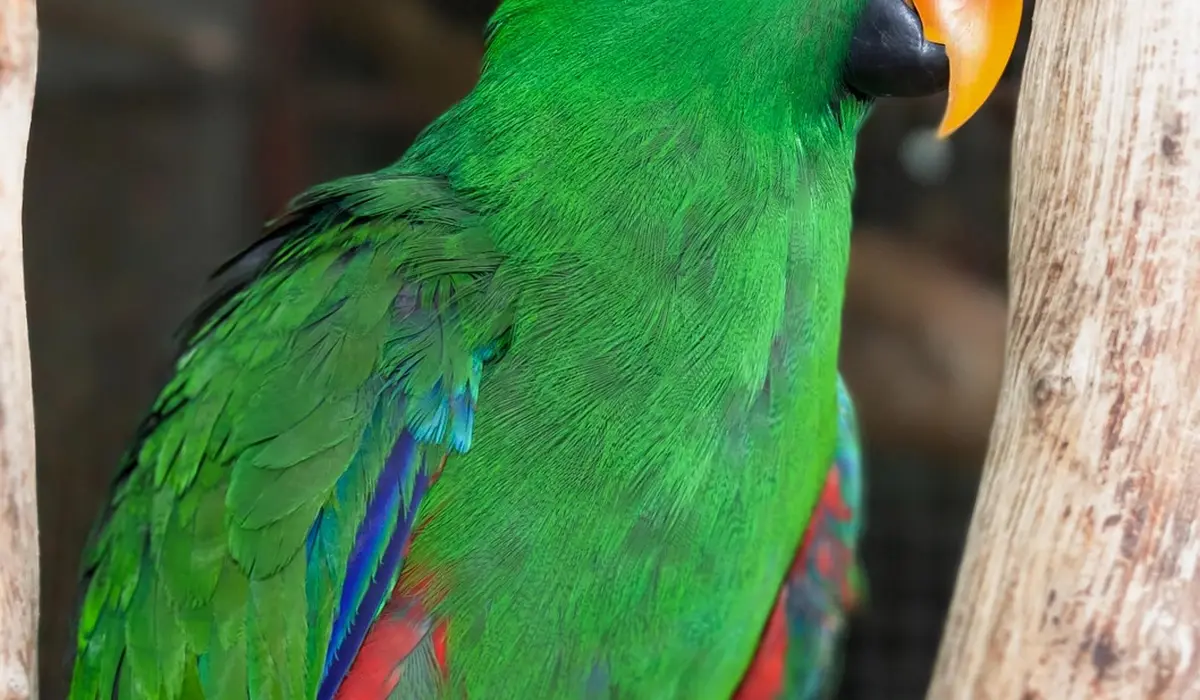
Feeding an Eclectus parrot means focusing on fresh, high-quality foods to keep them thriving. I spend around $60 monthly on my parrots’ diets, mixing pellets with fresh fruits and veggies to mimic their natural eating habits. Eclectus birds have sensitive digestive systems, so variety is key to prevent deficiencies. For a complete diet guide, follow tailored Eclectus-specific recommendations to ensure balanced nutrition. These guides help you optimize variety and nutrient levels while avoiding common deficiencies.
- Fresh produce: Apples, carrots, leafy greens-budget $30-$40 per month.
- Specialized pellets: Look for brands free of artificial colors; cost about $15-$20 monthly.
- Supplements: Calcium blocks or cuttlebones add $5-$10 to your bill.
From my experience with Kiwi, my Green-cheeked Conure, I learned that rotating foods prevents boredom and supports vibrant feathers. Sticking to a set grocery list helps you avoid overspending while meeting their nutritional needs.
Enrichment and Toy Costs
Parrots like Eclectus crave mental stimulation to stay happy and healthy. Toys aren’t just fun—they’re essential for preventing behavioral issues like feather plucking. I replace toys every few months for my flock, costing roughly $25 monthly. I also weigh DIY options against store-bought toys to compare cost and longevity. DIY ideas can save money, but I consider safety, materials, and durability.
- Foraging toys: Encourage natural behavior; prices range from $10-$30 each.
- Destructible items: Wood blocks or shreddable toys; budget $15-$20 per item.
- DIY options: Save money with homemade puzzles using safe household materials.
Sunny, my Sun Conure, adores colorful swings that I rotate weekly. Investing in durable toys reduces long-term costs and keeps your parrot engaged. Always check for non-toxic materials to protect their well-being.
Veterinary and Health Care Costs
Routine Checkups and Emergency Care
Regular vet visits catch problems early, saving you from hefty bills down the line. Annual exams for parrots typically run $75-$150, but emergencies can spike to hundreds or more. I schedule checkups twice a year for Sage, my African Grey, to monitor her overall health. Knowing the African Grey’s initial price and ongoing care costs helps you plan ahead. A simple cost guide with budgeting tips keeps upfront purchases and yearly care in check.
- Basic wellness visits: Include blood tests and physical exams; plan for $100-$200 annually.
- Emergency funds: Set aside $300-$500 for unexpected issues like infections or injuries.
- Common procedures: Wing clipping or beak trimming may cost $20-$50 per session.
When Kiwi had a minor scare last year, having a savings buffer made all the difference. Proactive care minimizes risks and ensures your parrot lives a long, joyful life.
Health Insurance and Medication Expenses
Pet insurance for parrots can ease financial stress during health crises. Policies often cover up to 90% of vet bills, with premiums around $15-$30 monthly. I opted for insurance after seeing how quickly costs add up with multiple birds. Is parrot insurance worth it for your bird? When you compare parrot insurance costs to potential emergency bills, many owners find it worthwhile.
- Insurance plans: Compare options for coverage on accidents, illnesses, and routine care.
- Medication costs: Antibiotics or anti-inflammatories might be $20-$50 per prescription.
- Preventative care: Include vitamins or probiotics in your budget at $10-$15 monthly.
From caring for my parrots, I’ve found that insurance pays off when unexpected issues arise. Prioritizing health expenses shows commitment to your feathered friend’s welfare and peace of mind. A quick cost-benefit analysis for parrots can help weigh annual premiums against potential vet bills to determine if coverage is worth it. This practical check can clarify whether pet insurance is a wise long-term safeguard for a bird with specialized healthcare needs.
Long-Term Financial Commitment
Calculating Lifetime Ownership Costs
Owning an Eclectus parrot isn’t a short-term adventure; it’s a decades-long partnership. Based on my own experience with my birds, the real financial picture emerges when you project those annual costs over their entire lifespan. Let’s break down what a 30-year commitment could realistically look like.
- Annual Baseline Costs: Combine food, treats, and basic supplies. For my parrots, this hovers around $800-$1,200 per year, per bird.
- Veterinary Care: Annual check-ups and potential minor issues add another $200-$500 yearly. This is for a healthy bird.
- Cage Replacement: A quality cage lasts about 10-15 years. Budget for at least one major replacement, costing $500-$1,500.
- Lifetime Total: At a conservative estimate of $1,500 annually, a 30-year companionship amounts to a staggering $45,000 minimum investment.
This number isn’t meant to scare you, but to prepare you. Seeing the full lifetime cost upfront helps you make a truly informed decision about bringing one of these magnificent creatures into your home. It shifts the perspective from a simple purchase to adopting a family member.
Planning for Unexpected Expenses
My African Grey, Sage, once decided a shiny necklace was a toy, leading to an urgent vet visit. Life with parrots is wonderfully unpredictable, and their medical needs can be too. An emergency fund isn’t a luxury; it’s a non-negotiable part of responsible ownership.
- Start an Emergency Fund: Aim to save $1,000-$2,000 specifically for your parrot. This covers most common emergencies like infections or minor injuries.
- Consider Pet Insurance: Research avian insurance policies. Monthly premiums can save you thousands on complex surgeries or chronic illnesses later on.
- Budget for Diagnostics: Blood work and X-rays for birds are specialized and costly. A single diagnostic workup can easily run $300-$700.
I keep a separate savings account labeled “Feathered Family Fund.” Peace of mind is priceless when your parrot suddenly needs help at 2 AM on a holiday weekend. Planning for the worst ensures you can always provide the best care.
Ways to Manage and Reduce Costs
DIY Toys and Smart Shopping Tips
My conure, Kiwi, often prefers a cardboard box to an expensive store-bought toy. Getting creative is the key to keeping your parrot enriched without draining your wallet. You can provide fantastic mental stimulation with items you already have at home.
- Safe Household Items: Untreated wood scraps, paper towel rolls, and egg cartons make fantastic foraging toys. Always supervise with new materials.
- Bulk Buying: Purchase pellets, nuts, and dried fruits in bulk from reputable suppliers. This significantly cuts the per-pound cost.
- Seasonal Produce: Buy fresh fruits and vegetables when they are in season and locally grown. They are fresher, more nutritious, and cheaper.
- Toy Rotation: Instead of buying new toys constantly, rotate 3-4 sets of toys every few weeks. This keeps things “new” and exciting for your bird.
A happy, mentally stimulated parrot is often a healthier parrot, which can reduce long-term vet bills. Engagement doesn’t have to come with a high price tag.
Finding Affordable Vet Care and Supplies
Veterinary care is one area where you should never simply choose the cheapest option, but there are smart ways to manage costs. Building a relationship with a good avian vet can actually save you money through preventative care.
- Avian Vet Wellness Plans: Some clinics offer annual plans that bundle check-ups, nail trims, and basic diagnostics for a flat fee, providing predictable costs.
- Comparison Shop for Medications: Once your vet provides a prescription, you can often find the same medication at online pet pharmacies or even regular pharmacies for less.
- Connect with Local Bird Clubs: These communities are goldmines for information. Members often share recommendations for affordable vets and group buys on supplies like food and toys.
- Ask About Payment Plans: For large, unexpected bills, many vet offices offer payment plans. It’s always okay to ask about your options upfront.
From my own mishaps, I’ve learned that a $100 annual check-up is far better than a $2,000 surgery. Proactive, preventative care is the most powerful tool you have for managing your parrot’s long-term health expenses. In a parrot preventative care guide, annual vet check-ups are highlighted as essential for early detection and personalized care. Regular visits help keep your bird healthier and happier, preventing complications before they arise.
FAQs
How does the cost of an Eclectus parrot vary in different regions like America?
In the United States, Eclectus parrot prices generally range from $1,000 to $3,000, influenced by breeder reputation and local demand. Urban areas or states with higher costs of living may see steeper prices, so research regional aviculture groups for accurate estimates. For a complete initial purchase price guide, consider not only the bird’s price but also starter supplies and first-year care costs. This helps you estimate the full upfront investment when bringing an Eclectus parrot home.
What is the average price for an Eclectus parrot in Australia?
In Australia, Eclectus parrots often cost between AUD 800 and AUD 2,500 due to their native status and varying availability across states. Prices can be higher in remote areas or for specific subspecies, so check local breeders and wildlife regulations. These figures sit within our complete price comparison guide that contrasts the cheapest parrots with the most expensive ones. It helps buyers weigh sticker price against factors like subspecies and availability.
How can I estimate costs for an Eclectus parrot near my location?
Start by searching online platforms like bird forums or local classifieds to gauge prices from breeders and rescues in your area. Visiting avian veterinarians or pet stores can also provide insights into regional cost trends and hidden fees.
What are some unexpected expenses when owning an Eclectus parrot?
Unexpected costs often arise from sudden health issues, such as respiratory infections or feather disorders, requiring urgent vet care. Additionally, dietary adjustments or replacing damaged cage accessories can add to your budget without warning.
Why might an Eclectus parrot lose its voice, and what should I do?
A lost voice in Eclectus parrots can signal stress, respiratory infections, or throat irritants, so schedule an avian vet visit promptly. Treatment may involve diagnostics and medication, costing $50 to $200 depending on the cause and severity.
Final Thoughts
Owning an Eclectus parrot is a long-term financial commitment that extends far beyond the initial purchase price. You must budget for high-quality food, regular vet check-ups, and a stimulating environment to ensure your feathered friend thrives for decades. Compared with small parrots, large parrots like the Eclectus typically require more space and daily interaction.
Caring for a parrot is a rewarding journey of lifelong learning and dedication. Always prioritize your bird’s welfare by committing to ongoing research and connecting with experienced parrot owners to provide the best life possible.
Further Reading & Sources
- Eclectus Parrot Price Revealed – A Stunning Deal Awaits! – Dallas Parrots
- Eclectus Parrot Cost: How Much Do They Cost? 2025 Update | PangoVet
- Caring for an Eclectus Parrot? Discover Diet, Costs & Caring Tips
Suzanne Levine is a dedicated parrot enthusiast and experienced avian caregiver with over 15 years of hands-on experience in parrot care. As the founder of Parrot Care Central, Suzanne is passionate about sharing her knowledge and insights to help fellow parrot owners provide the best possible care for their feathered friends. Her expertise spans nutrition, behavior, health, and enrichment, making her a trusted resource in the parrot care community.
Finding a Parrot