
How Long Can a Parrot Go Without Food and Water?
If you’re a parrot owner, the fear of your bird missing a meal or going thirsty can keep you up at night, especially during emergencies or travel.
Having cared for parrots like Kiwi, my energetic Green-cheeked Conure, and Sage, my wise African Grey, for years, I’ve faced this worry firsthand and will guide you through the essentials.
Here are the key takeaways to ease your mind right away:
- Parrots can typically go without food for 24-48 hours, but water deprivation is far more dangerous and should never exceed a day.
- Early signs of distress, like changes in behavior or droppings, signal immediate action is needed to protect your bird’s health.
- Setting up reliable food and water systems, such as automatic dispensers, ensures your parrot stays safe even when you’re not around.
You’ll get straightforward, practical advice to keep your parrot thriving. Topics covered include: survival timelines, hydration importance, symptom recognition, and preventive care tips. Additionally, we cover common health issues seen in different parrot species and how preventive care can help reduce their risk of illness.
Parrot Fasting: How Long Without Food?
Parrots have varying abilities to handle food shortages, but pushing limits is never safe. Based on my years caring for Kiwi, Sunny, and Sage, I’ve seen how quickly hunger can affect their energy and mood. A species-specific diet is central to a complete feeding guide. This resource covers parrot diet requirements for different species and how to feed them safely.
Factors Affecting Food Deprivation Tolerance
Several elements determine how long your parrot might last without a meal. Metabolism plays a huge role, with younger birds like Kiwi burning energy faster than older ones like Sage. Diet quality and consistency also influence overall health and lifespan. A balanced, varied diet promotes longevity and boosts resilience against illness.
- Species: Smaller birds, such as conures, have higher metabolic rates and need food more often.
- Age: Juveniles require frequent feeding for growth, while seniors may have slower systems.
- Health Status: Illness or stress, like what I noticed when Sunny was sick, reduces tolerance dramatically.
- Diet Quality: A balanced diet with seeds, fruits, and pellets builds reserves for short fasts.
- Activity Level: Playful birds like Kiwi use up calories quickly, shortening their fasting window.
Species-Specific Food Deprivation Limits
Different parrot species handle hunger in unique ways. Smaller parrots, such as Green-cheeked Conures like Kiwi, might only manage 12-24 hours without food due to their fast pace.
- Sun Conures (like Sunny): Typically last up to 24 hours, but social needs mean they stress easily without regular meals.
- African Grey Parrots (like Sage): Can go 24-48 hours, thanks to their larger size and calmer demeanor, but it’s risky.
- Larger Macaws: Might endure slightly longer, but always prioritize daily feeding for welfare.
Water Deprivation: How Long Can Parrots Go Without Water?
Water is even more critical than food for parrot survival. In my experience, even a few hours without water can lead to visible distress, especially in active birds like Sunny.
Most parrots can’t go more than 24 hours without water before health declines. Smaller species may show signs of dehydration in as little as 6-12 hours, so constant access is non-negotiable. Beyond hydration, common health issues such as nutritional deficiencies, obesity, and respiratory infections can influence a parrot’s lifespan. Regular preventive care and a balanced diet help mitigate these risks.
Signs of Dehydration in Birds
Spotting dehydration early can save your parrot’s life. When Sage had a minor scare, I learned to watch for dry, flaky skin and a lack of playful chirps.
- Lethargy: Your bird sits still for long periods, unlike their usual curious self.
- Sunken Eyes: The eyes appear dull or recessed, a clear red flag.
- Dry Beak and Skin: The beak might feel rough, and skin loses elasticity.
- Reduced Droppings: Urine in droppings decreases, making them pasty or scant.
- Panting or Rapid Breathing: Even in cool conditions, they struggle to catch their breath.
Spotting Trouble: Signs of Starvation and Dehydration
Early Warning Signals
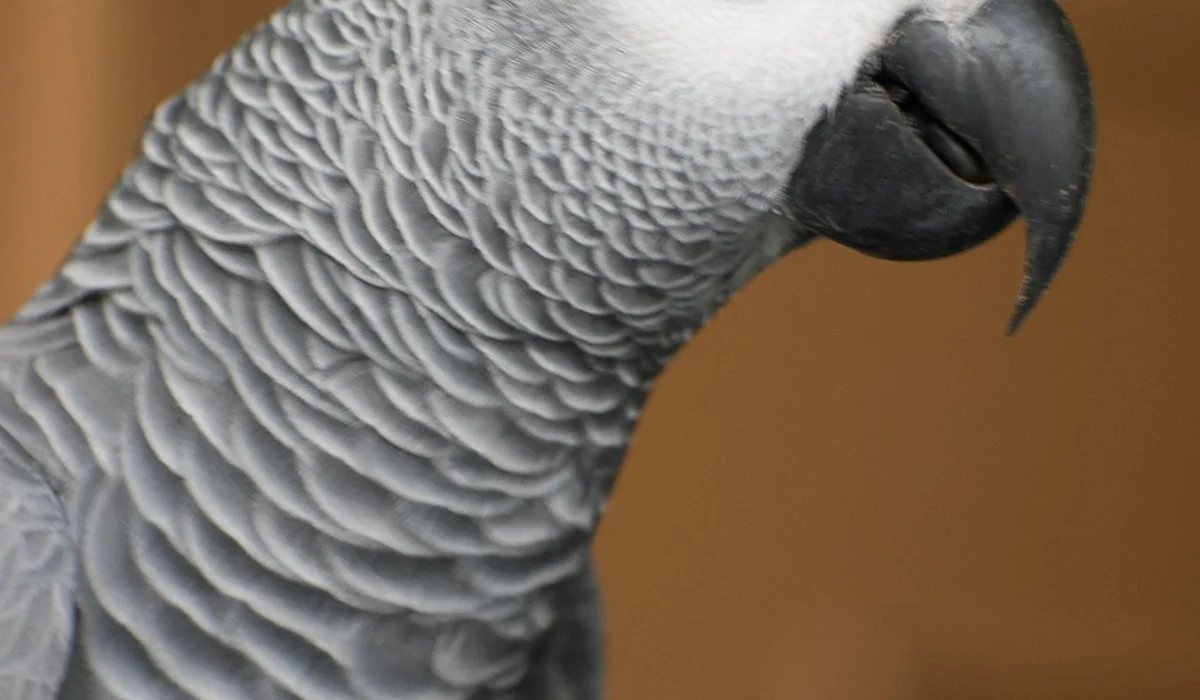
Your parrot won’t tell you it’s hungry or thirsty, so you must watch for subtle hints. I’ve learned from my own flock that a normally chatty bird like my conure, Kiwi, becoming unusually quiet is often the first clue something’s off.
Look for these initial signs:
- Decreased activity or playfulness
- Less vocalization or mimicking
- Slight weight loss (you might feel a prominent keel bone)
- Spending more time fluffed up on the perch
- Sunken eyes or a loss of that bright, alert look
Critical Red Flags
When early signs are missed, the situation escalates quickly. Seeing my sun conure, Sunny, weak and wobbly on her perch was a terrifying moment I’ll never forget, and it demanded immediate action.
These symptoms mean your parrot needs a vet right now:
- Severe lethargy or inability to perch
- Complete loss of appetite and refusal to drink
- Very dry, sticky membranes in the mouth
- Skin that stays “tented” when gently pinched
- Cold feet and body temperature
- Rapid, labored breathing
Emergency Response: What to Do in a Crisis
Safe Rehydration Methods
Dehydration is the more immediate threat to life. Your first priority is getting fluids into your bird safely, as forcing water can cause aspiration and pneumonia.
Here is what you can try:
- Offer a shallow dish of plain water or an unflavored pediatric electrolyte solution.
- Drip small amounts of water onto the side of the beak using a clean syringe (no needle).
- Gently mist your parrot with lukewarm water; they may drink the droplets.
- Offer watery fruits like cucumber or watermelon if they will take them.
Feeding a Deprived Parrot
Once you’ve addressed hydration, you can focus on nutrition. My African Grey, Sage, needed a high-energy, easy-to-eat recovery food after a health scare, which taught me the importance of having the right supplies on hand.
Follow these steps carefully:
- Start with a hand-feeding formula, mixed to a thin, warm gruel.
- Use a syringe to offer very small amounts, allowing the bird to swallow between bites.
- Never force-feed a bird that is struggling or has its head back.
- After they stabilize, transition to their favorite soft, familiar foods to encourage eating.
Even if you successfully get food and water into your parrot, a visit to an avian veterinarian is non-negotiable after any period of deprivation. Avian vets specialize in birds, with training in beak, feather, and respiratory issues that regular vets may miss. This specialist knowledge helps parrots recover more reliably and safely. Underlying illness is often the root cause, and professional care is essential for a full recovery.
Prevention Strategies: Keeping Your Parrot Healthy
Building a Reliable Feeding Schedule
From my years of living with Kiwi, Sunny, and Sage, I’ve found that a consistent routine is the single best way to prevent any food or water issues. A predictable schedule makes your parrot feel secure and ensures they never face an empty dish. Parrots are creatures of habit, just like us, and they thrive on knowing what to expect. That same routine should extend to mealtimes, following general parrot dietary guidelines for a balanced diet. Aim for a mix of high-quality pellets, fresh vegetables, and safe fruits, with water available at all times.
My daily routine with my flock looks something like this:
- Morning (7:00 AM): Fresh water bowls are scrubbed and refilled. A high-quality pellet mix is offered.
- Midday (12:00 PM): A colorful “chop” of fresh vegetables and a bit of fruit is served. This is when Kiwi gets most excited!
- Late Afternoon (5:00 PM): A smaller, final offering of pellets is given, and water bowls are checked one last time.
I always remove any uneaten fresh food after a couple of hours to prevent spoilage. This consistent rhythm helps me monitor their appetite, which is a vital sign of their health. If Sage, my African Grey, ever ignores his morning pellets, I know immediately that something might be off.
Recovery and Long-Term Health After Deprivation
Assessing Recovery Progress
If your parrot has gone without food or water, the road to recovery requires patience and a watchful eye. For concerned owners, a loss of appetite diagnostic checklist can help you spot warning signs early and act quickly. The first sign of a successful recovery is the return of normal energy levels and vocalizations. You’ll notice them becoming more active, curious, and maybe even a bit noisy again, just like my conures when they’re feeling playful.
Here are the key markers to watch for as your parrot heals:
- Hydration: Their droppings should return to a normal consistency, not overly dry or pasty.
- Appetite: They should show a consistent interest in food and eat steadily throughout the day.
- Behavior: Preening, playing, and interacting with you are all excellent signs that they are feeling better.
- Weight: A gradual return to their normal, healthy weight is a clear indicator of progress.
Understanding Long-Term Consequences
Even a single, severe episode of deprivation can leave a lasting mark on your parrot’s health. Their tiny bodies are incredibly efficient, but this also means organ damage can occur surprisingly fast. I’ve seen birds who recovered outwardly but were never quite the same internally. This is precisely the kind of issue covered in a complete guide to the most common parrot health concerns. Understanding these issues helps you prevent and address problems before they cause lasting harm.
The most common long-term issues stem from organ stress.
- Kidney and Liver Damage: These organs work hard to filter toxins. Dehydration and starvation put immense strain on them, potentially causing irreversible harm.
- Weakened Immune System: A body that has been starved of nutrients is far more vulnerable to infections and illnesses down the line.
- Behavioral Shifts: A traumatic event can lead to lasting anxiety, increased food guarding, or a fearful disposition.
Proactive, attentive care is your best defense against these serious, life-altering consequences. Always prioritize a stable environment and a reliable routine for your feathered friend’s sake.
FAQs
How often should I replace my parrot’s water to ensure it stays clean?
Replace your parrot’s water at least once daily to prevent bacterial growth and contamination. In hotter weather or if the cage is dusty, change it more frequently to maintain freshness. To stay organized, include these water-change steps in your weekly and monthly parrot cage maintenance checklist. A written routine helps ensure steady hydration care along with other cage tasks.
What are the benefits of using automatic water dispensers for parrots?
Automatic water dispensers provide a constant, clean water supply, reducing the risk of dehydration when you’re away. They help maintain hygiene by minimizing spillage and contamination compared to open bowls.
How does a parrot’s environment, like room temperature, impact its hydration needs?
Warmer environments increase a parrot’s water requirements as they lose more fluid through panting and regulation. Always ensure easy access to fresh water and monitor for signs of overheating to prevent stress.
Wrapping Up
The golden rule is to never test these limits; your parrot needs consistent, daily access to fresh food and clean water. While a healthy bird might technically survive 24-48 hours, organ damage begins much sooner, and dehydration is a silent, swift killer. Your watchful eye and a well-stocked cage are their best insurance policy. Consider how long you can safely leave a parrot alone. If you must be away longer than a few hours, arrange a trusted caregiver to drop in.
Caring for a parrot is a lifelong commitment to learning and adapting to their unique needs. My own flock-Kiwi, Sunny, and Sage-reminds me daily that responsible ownership means staying curious, asking questions, and treating their well-being as an ongoing, rewarding conversation.
Further Reading & Sources
- Parrot Mealtimes: All Day Or Set Times? – Northern Parrots
- r/parrots on Reddit: What is your food “schedule” for your birds?
- Water And Your Pet Bird | Chewy
Suzanne Levine is a dedicated parrot enthusiast and experienced avian caregiver with over 15 years of hands-on experience in parrot care. As the founder of Parrot Care Central, Suzanne is passionate about sharing her knowledge and insights to help fellow parrot owners provide the best possible care for their feathered friends. Her expertise spans nutrition, behavior, health, and enrichment, making her a trusted resource in the parrot care community.
Nutrition