
Can Parrots Swim and Do They Like Water?
Published on: June 10, 2026 | Last Updated: June 10, 2026
Written By: Suzanne Levine
If you’re a parrot owner, you might be worried about whether your feathered friend can handle water or if it’s safe for them to swim. I’ve spent years caring for parrots like Kiwi, Sunny, and Sage, and I’ve seen their varied reactions to water firsthand.
I’m here to help you understand this topic by breaking down the key takeaways:
- Parrots can’t swim like ducks, but some may paddle briefly in shallow water.
- Many parrots enjoy water for bathing and play, depending on their personality and species.
- Introducing water safely is crucial to prevent stress and ensure their well-being.
You’ll get clear, actionable advice based on my experiences and research. Topics covered include: swimming ability, water preferences, bathing tips, safety measures, species differences, and behavioral signs.
Do Parrots Like Water?
This is a question I get all the time, and the answer is as varied as the parrots themselves. Every parrot has its own unique personality when it comes to water, much like people do with their morning coffee. That individuality is what makes parrots so unique compared with other pets. No two parrots are exactly alike, not even within the same species. My Green-cheeked Conure, Kiwi, sees a spray bottle and starts doing a happy dance, while my African Grey, Sage, would rather observe from a safe, dry perch.
Signs Your Parrot Enjoys Water
Look for these happy, positive body language cues:
- Spreading wings wide to catch the mist
- Fluffing up feathers to let the water reach their skin
- Making soft, content chirping sounds
- Leaning into the water spray or moving under a dripping faucet
How to Offer Water Safely
Based on my years of experience, creating positive water encounters is key. Always use lukewarm water, as cold water can be a nasty shock to their system. Here are the methods my flock enjoys:
- Light Misting: Use a clean spray bottle set to a fine mist. Never spray directly at their face.
- Shallow Dish Bath: Offer a flat, sturdy dish with just a half-inch of water.
- Leaf Bathing: Place wet lettuce or other safe greens in their cage for them to roll on.
Can Parrots Swim?
This is where we need to be very clear. Parrots are not natural swimmers like ducks or swans. They are birds of the air and trees. While they can perform a paddling motion to stay afloat for a short time, it is not a relaxed, enjoyable activity for them. It’s a survival instinct, and it’s incredibly exhausting. For more insight into their natural behaviors and survival instincts, read more here.
I learned this early on when a younger, more curious Kiwi took an unplanned dip in a water bowl. Seeing him flap and struggle to get out was a frightening moment that taught me the importance of water safety. Their feathers are not designed to be fully submerged for long periods and can become waterlogged, making it impossible for them to fly to safety.
What To Do If Your Parrot Gets Wet
- Immediately lift them to safety calmly and gently.
- Use a soft, absorbent towel to pat them dry. Do not rub vigorously.
- Keep them in a warm, draft-free room until completely dry.
- Monitor them closely for any signs of distress or chilling.
Never, ever place your parrot in a body of water where they cannot easily touch the bottom and walk out. Supervised misting and shallow baths are the only safe ways to let your parrot interact with water. For a complete guide on safely cleaning your parrot’s environment, follow our step-by-step instructions.
Best Ways to Bathe Your Parrot
Shower and Misting
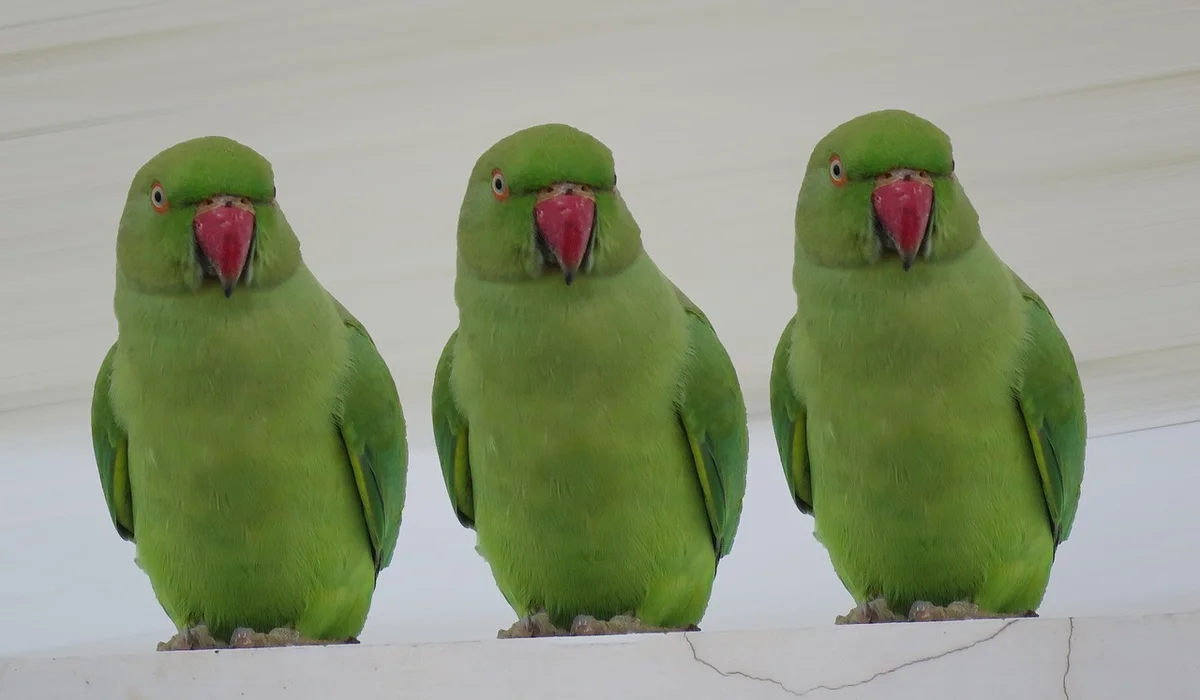
My Green-cheeked Conure, Kiwi, absolutely adores a fine mist from a spray bottle set to a gentle setting. Using lukewarm water and a clean spray bottle mimics the soft rainfall they’d experience in the wild, making this a very natural and often preferred method. You can also bring a secure perch into the bathroom during your own shower; the ambient steam works wonders for their feathers and skin, and some bold birds, like my Sun Conure Sunny, will even hop right onto the shower rod for a light spritz.
Bird Bath and Bowl Options
Don’t feel you need to buy a special “bird bath.” A simple, shallow ceramic or stainless-steel bowl placed at the bottom of the cage or playstand can become a favorite splash zone. The key is using a container that’s wide and shallow, preventing any fear of drowning while allowing for enthusiastic flapping. I’ve found that placing a favorite leafy green like kale in a shallow water dish encourages my parrots to interact with the water, turning bath time into a fun foraging game.
Swimming in Tubs or Pools
While true swimming is rare, some parrots enjoy wading in very shallow water. I’ve only ever let my birds explore a completely dry bathtub with a single, shallow puddle of water at one end. You must supervise any interaction with larger water sources like sinks or tubs with unwavering attention, as parrots are not designed swimmers and can panic easily. This is more about letting them choose to get their feet wet rather than expecting them to paddle around.
Species-Specific Water Behaviors
Just like people, every parrot species has its own personality when it comes to water. From my flock of three, I’ve seen it all. If you’re curious about the friendliest parrot species to own, some breeds are particularly sociable and easygoing. In my experience, a friendly temperament makes for the best companions.
- Conures (Kiwi & Sunny): These guys are often the water lovers. Kiwi, my Green-cheek, will do a full “rain dance,” fluffing up and spreading his wings under a mist. Sunny, the Sun Conure, is more vocal about it, chirping loudly with pure joy during shower time.
- African Greys (Sage): My Grey, Sage, is far more cautious. She prefers to observe the water first, often testing it with her beak before committing to a light misting. For intelligent and sometimes skeptical birds like Greys, patience and letting them approach the water on their own terms is the only successful strategy.
- Other Species: Cockatoos often relish a good soaking, while some Amazons can be surprisingly hesitant. It really comes down to the individual bird’s history and confidence.
Water Safety for Parrots
Making bath time fun means making it safe first. A few simple rules can prevent a fun activity from turning into a tragedy.
- Water Depth: Water should never be deeper than your bird’s legs. A panicked bird can easily slip and inhale water in a deeper bowl.
- Temperature is Critical: Always use lukewarm water. Cold water is a shock to their system, and hot water can severely scald their delicate skin.
- No Soaps or Shampoos: Never use any chemicals in your parrot’s bath water. Their feathers have natural oils that are stripped by soaps, damaging their waterproofing and insulation.
- Supervision is Non-Negotiable: Never, ever leave your parrot unattended near any amount of water. It only takes a moment for an accident to happen.
- Draft-Free Drying: After their bath, ensure your bird can dry off in a warm room completely free of drafts to prevent them from getting chilled.
Helping Your Parrot Enjoy Water
Introducing your parrot to water should feel like a gentle invitation, not a forced event. Patience is your most powerful tool for building a positive relationship between your bird and bath time. My Green-cheeked Conure, Kiwi, taught me this; she needed to see the water as her idea, not mine. For a calm, scared, or stressed parrot, begin with tiny exposures and a slow approach, letting them set the pace. With time and consistency, bath time can become a safe, positive routine.
Gentle Introduction Methods
Start with these simple, low-pressure options and let your parrot choose their favorite.
- The Spray Bottle Misting: Use a clean spray bottle set to the finest mist. Aim the mist upwards so it falls like a gentle rain. Watch your bird’s body language closely.
- The Shallow Bowl or Dish: Place a flat, sturdy dish filled with just an inch of lukewarm water on the bottom of their cage or a secure play stand. Drop a favorite veggie piece in it to spark curiosity.
- The Sink or Shower Perch: Invest in a secure suction-cup perch for your bathroom. Let them observe the running water from a safe distance before ever getting them wet.
Creating a Positive Experience
Your attitude directly influences how your parrot feels about the entire process.
- Keep Sessions Short: Even 30 seconds of positive interaction is a win. End on a high note before your bird shows signs of stress.
- Use a Happy, Animated Voice: Talk to them cheerfully throughout. I always chat with Sunny, my Sun Conure, telling her what a beautiful, clean bird she is.
- Offer a High-Value Treat Afterwards: Immediately after a successful water session, reward them with a bit of millet or a nut. This builds a powerful positive association.
Signs of Healthy Bathing and Drying
Knowing what to look for helps you ensure your parrot’s water activities are safe and enjoyable. Plain, unsweetened coconut water can be a safe, occasional treat in small amounts. It should not replace your parrot’s regular fresh water. A happy, bathing parrot is a sight of pure, unbridled joy and natural behavior.
During the Bath
These are the clear signs your parrot is having a good time and engaging in healthy bathing behavior.
- Fluffed Feathers and Shaking: They will deliberately fluff up all their body feathers and shake vigorously to let the water penetrate down to the skin.
- Spreading Wings and Tail: You’ll see them carefully spread one wing at a time, and fan their tail, ensuring every feather gets wet.
- Rubbing Against Wet Surfaces: They may dunk their head or rub their body against the wet sides of a bowl or a damp leaf if you provide one.
- Content Vocalizations: Listen for soft, happy chirps and chatters. My African Grey, Sage, makes a specific low warble when he’s truly enjoying his misting.
Proper Drying Behavior
What happens after the bath is just as important for their health and comfort.
- Vigorous Preening: Your parrot will spend a significant amount of time realigning each feather with their beak. This is essential for restoring their waterproofing.
- Wing Flapping and Shaking: Expect a series of big, enthusiastic flaps to shake off excess water droplets. This is normal and helps speed up drying.
- Seeking a Warm, Draft-Free Spot: A wet bird can get chilled easily. Ensure they can retreat to a warm area of the room, completely away from air vents or open windows.
Red Flags to Watch For
If you notice any of these signs, stop the water session immediately and ensure your parrot is warm and calm.
- Prolonged, intense shivering that doesn’t stop after the initial shake-off.
- Huddled posture with feathers slicked down tight against the body, a sign of stress or being too cold.
- Attempts to flee or escape the water with clear panic.
- Sneezing or wheezing sounds, which could indicate water got into their nostrils.
FAQs
How often should I bathe my parrot?
Bathing frequency depends on your parrot’s individual preference and species. Offering baths 2-3 times a week is a good starting point for most parrots. Parrots should have fresh water available daily, and their daily intake varies by species, size, and activity. Monitor your bird’s drinking to ensure proper hydration.
Can I use soap or shampoo when bathing my parrot?
No, never use soaps or shampoos as they can strip natural oils from feathers. Plain lukewarm water is sufficient for cleaning and maintaining their feather health.
What are the benefits of regular bathing for parrots?
Regular bathing helps maintain feather health, skin hydration, and reduces dust and dander. It also provides mental stimulation and can strengthen the bond with your parrot through positive interactions. Misting between full baths can be a quick, health-boosting option. A light spray helps hydrate feathers and skin, supporting overall health and respiratory comfort.
Wrapping Up
Ultimately, the best water experience for your parrot depends entirely on their unique personality and comfort level. For water quality, filtered tap water or bottled water is often the best option for parrots. If the water has a noticeable chlorine smell, consider letting it dechlorinate or using a filter. Always supervise closely, use shallow water, and let your feathered friend set the pace, turning bath time into a fun, positive interaction rather than a stressful one.
Caring for a parrot is a beautiful, lifelong commitment that demands we continually learn and adapt to their needs. Let’s honor that trust by always putting their welfare first, making every splash, spray, and mist a safe and happy moment. Build trust with bonding techniques that work—gentle handling, predictable routines, and praise. Consistency and patience deepen the bond over time.
Further Reading & Sources
- r/parrots on Reddit: Teaching your parrot to swim – good idea if you have an uncovered pool?
- Can Parrots Swim? Vet-Reviewed Bird Anatomy Information & Bath Tips | Hepper Pet Resources
- Saltwater pools..? | Parrot Forum 🦜 Parrot Owners Community
Suzanne Levine is a dedicated parrot enthusiast and experienced avian caregiver with over 15 years of hands-on experience in parrot care. As the founder of Parrot Care Central, Suzanne is passionate about sharing her knowledge and insights to help fellow parrot owners provide the best possible care for their feathered friends. Her expertise spans nutrition, behavior, health, and enrichment, making her a trusted resource in the parrot care community.
Enrichment Activities