
Parrot Molting: Normal Feather Shedding vs. Health Warning Signs
Seeing a flurry of feathers in your parrot’s cage can send any bird owner into a panic, wondering if this is a natural process or a sign of illness.
I’ve been through this with my own flock-Kiwi the conure, Sunny the sun conure, and Sage the African grey-and I’m here to help you spot the difference.
This guide will walk you through three key takeaways:
- Recognize the normal molting cycle and its common signs
- Identify red flags that indicate health problems beyond simple molting
- Learn practical care tips to support your parrot through molting season
You’ll get clear, actionable advice to confidently care for your feathered friend. We’ll cover: molting basics, seasonal patterns, feather plucking vs. molting, nutritional needs, and when to visit the vet.
Demystifying the Parrot Molt: What’s Really Happening?
Imagine your parrot is getting a complete wardrobe refresh, one feather at a time. Molting is the natural, cyclical process where old, worn-out feathers are shed to make way for new, healthy ones. It’s not happening all at once; your bird loses and regrows feathers in symmetrical patterns so it can still fly and stay warm.
My Green-cheeked Conure, Kiwi, goes through this about once a year. I first noticed tiny, white-tipped spikes appearing on his head-those are pin feathers. Pin feathers are the new feathers growing in, encased in a keratin sheath for protection. As the feather matures, the sheath crumbles away, revealing the vibrant new plumage underneath.
- The molt cycle is heavily influenced by seasonal changes in daylight and temperature, often occurring after breeding season.
- Primary reasons for molting include replacing damaged feathers, maintaining optimal flight capability, and adapting insulation for changing weather.
- Look closely at a molted feather, and you might see faint lines across it called growth bars; these indicate periods of slower or faster growth, much like tree rings.
- Primary feathers, the large flight feathers on the wings, are typically shed and replaced in a specific, orderly sequence to preserve balance.
Spotting the Signs: Healthy Molt vs. Trouble Ahead
Watching your parrot during a molt is like being a feather detective. You’re looking for clues that everything is proceeding as nature intended.
A healthy molt shows symmetrical feather loss, meaning feathers drop evenly from both sides of the body. You’ll find a light dusting of feather sheaths and downy feathers in the cage, and you’ll see new pin feathers emerging. Your bird might be a bit more irritable or sleepy, just like my Sun Conure, Sunny, who gets extra cuddly but also a little grumpy when her pins are coming in.
Now, let’s talk about the red flags. These are the signs that tell you it’s time to pay closer attention and possibly call your vet.
- Bald patches or areas of complete feather loss, especially on the chest or under the wings.
- Lethargy that goes beyond normal napping; a bird that seems weak or uninterested in its surroundings.
- Changes in preening behavior, like suddenly stopping or, conversely, obsessive over-preening that damages the skin.
- Visible signs of distress, like constant scratching or picking at one area until it bleeds.
It’s crucial to distinguish normal molting behavior from a serious problem like feather plucking. A molting bird might be temporarily irritable, but a bird plucking its feathers is often acting out of stress, boredom, or illness. Parrots may also shake or tremble as part of Shaking during molt or preening. However, persistent shaking or tremors can be a health warning sign and should be evaluated. The plucking is targeted and destructive, leaving broken feathers and damaged skin behind.
My daily routine with my African Grey, Sage, involves a quick visual check during our morning interactions. I run a gentle finger over her back and wings to feel for new pin growth and check for any sensitive spots. I keep a small notebook to jot down anything unusual-like if she seems more itchy than usual or if a particular patch isn’t showing new growth after a few weeks. Documenting these small changes helps you spot a bigger problem early.
Breed by Breed: How Molting Patterns Vary
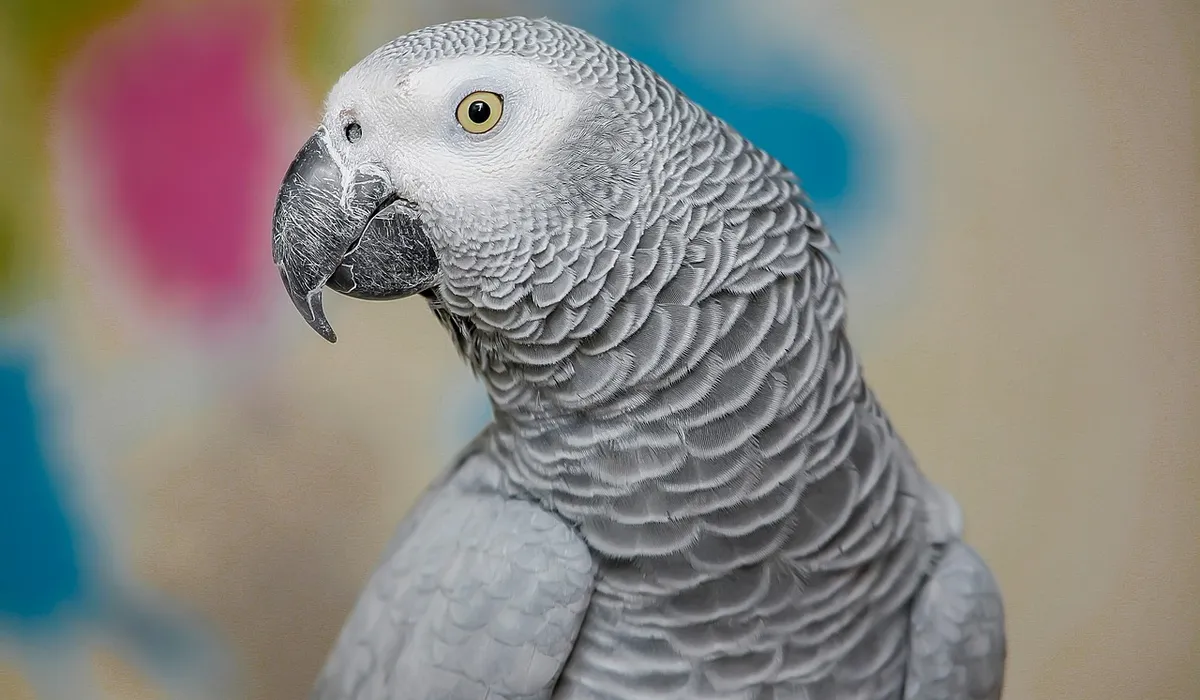
Just like people have different hair growth cycles, parrot species molt on their own unique schedules. What’s normal for my African Grey would be completely different for my Sun Conure. Knowing your bird’s specific pattern is the first step to spotting trouble.
Species-Specific Timelines
Smaller parrots often have faster, more frequent molts than their larger cousins. My Green-cheeked Conure, Kiwi, seems to be in a constant state of light molting. His smaller body works through feather regeneration much quicker. In contrast, my African Grey, Sage, has one major, deliberate molt a year that I barely notice.
- African Greys: Typically one slow, steady annual molt. It’s so gradual you might only find a few feathers a week.
- Conures (Sun & Green-cheeked): Experience lighter, almost continuous molting with one or two heavier periods annually.
- Macaws: Often have a significant yearly molt, but their large feather size makes it more noticeable. They can look a bit scruffy for a few weeks.
- Cockatiels & Budgies: Can molt multiple times a year, especially if they live indoors with artificial lighting that mimics longer days.
Molt Duration and Frequency
The bigger the bird, the longer the process generally takes. A full molt can last anywhere from a few weeks for a budgie to several months for a macaw. Frequency is also tied to age; young birds going through their first adult molt will have a much more intense experience.
| Species | Typical Molt Frequency | Average Duration | Seasonal Notes |
|---|---|---|---|
| African Grey | Once per year | 2-3 months | Often late summer/early fall |
| Conure | Near-continuous with peaks | Ongoing, peaks last 4-6 weeks | Less seasonal, influenced by environment |
| Macaw | Once per year | 3-4 months | Usually after breeding season |
| Cockatiel | 2-3 times per year | 4-8 weeks per molt | Can be triggered by light cycles |
Personal Molting Observations
Watching Sage and Sunny molt is a study in contrasts. Sage’s molt is a quiet, methodical process where he remains his calm, intelligent self. I find a grey primary feather here, a smaller covert there. It’s orderly.
Sunny’s molt is a vibrant, dramatic affair. His vibrant yellow and orange pins come in like little spikes, and he becomes extra cuddly, seeking reassurance. The regrowth is brilliant but seems to make him more sensitive. I have to be much gentler during handling.
Fueling Feather Growth: Essential Diet and Nutrition
Growing new feathers is incredibly demanding on a parrot’s body. Think of it as a nutritional marathon where their body is building an entire new outfit from scratch. Skimping on nutrients now can lead to weak, discolored, or brittle feathers. That same careful nutrition also shapes their long-term health and lifespan. A balanced diet supports immunity, organ function, and energy levels across years.
Crucial Nutrients for Feather Health
Feathers are made of keratin, a protein, but the process requires a whole team of nutrients to work properly.
- Protein: The literal building block of new feathers. A molting bird needs more high-quality protein.
- Vitamin A: Critical for skin and follicle health. A deficiency is a common cause of poor feather quality.
- Calcium: Needed for strong blood feather shafts and overall metabolic function during this stressful time.
- Hydration: Water is essential for every cellular process, including pushing out those new pins.
Food Sources That Support Molting
I shift everyone’s diet slightly when I see the first signs of pin feathers. This isn’t about a complete overhaul, but a strategic boost. Here’s what I focus on:
- For Protein: Cooked legumes (lentils, beans), a little scrambled egg (with shell for calcium), and lean cooked chicken.
- For Vitamin A: Sweet potatoes, carrots, dark leafy greens like kale, and red peppers.
- For Calcium: Cuttlebone is a must, dark leafy greens, and a sprinkle of crushed eggshell over their veggies.
- For Hydration: Fresh water changed twice daily, and water-rich foods like cucumber and melon.
Steps for Dietary Adjustments
Making sudden changes can upset your parrot’s stomach. I follow a gentle, step-by-step approach to ramp up their nutrition safely. Following general parrot dietary guidelines helps ensure a balanced mix of pellets, fruits, vegetables, and occasional treats. It also supports long-term health and energy.
- Identify Molt Start: Look for the first pins and an increase in feather dust.
- Gradually Increase Veggies: Boost their daily chop with extra vitamin A-rich foods over 3-4 days.
- Introduce Protein Boosts: Add a teaspoon of cooked legumes or a bit of egg to their meal every other day.
- Ensure Calcium Access: Check that their cuttlebone is fresh and placed where they like to chew.
- Monitor and Adjust: Watch their energy levels and droppings. If anything seems off, scale back slightly.
Balanced Nutrition in Practice
My flock’s routine includes a high-quality pellet base, which provides a solid nutritional foundation. During molts, I make their morning “chop” – a finely chopped veggie mix – more nutrient-dense. For Sage, I might add extra sweet potato. For Sunny and Kiwi, I’ll mix in some mashed cooked carrot. Everyone gets a bit of scrambled egg once a week. This targeted approach ensures they get the extra support they need without throwing their entire digestive system out of balance.
Comfort and Care: Easing Your Parrot Through Molt
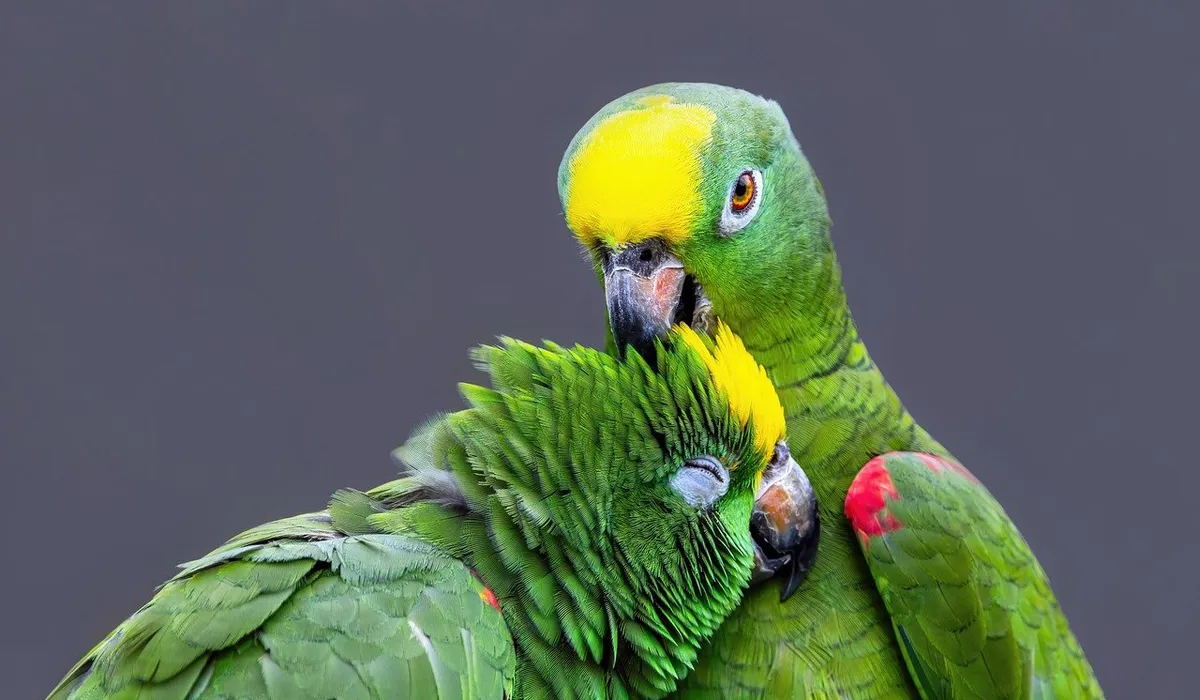
Helping your parrot during molt starts with simple home care that makes a big difference. Regular bathing keeps feathers clean and reduces itching, which I’ve seen with my Sun Conure, Sunny, who perks up after a gentle misting session. Offer varied options like shallow bowls, spray bottles, or even a sink sprayer—just ensure the water is lukewarm and the experience is positive. For a safe, complete guide on cleaning your parrot and its environment, check out our steps for cage hygiene and toxin-free cleaning. It also covers choosing pet-safe cleaners, sanitizing perches and toys, and reducing airborne irritants.
- Bathing choices: Light misting, shallow dishes, or supervised showers.
- Handling do’s: Be gentle, support their body, and keep sessions short.
- Handling don’ts: Avoid grabbing new pin feathers, which are sensitive and painful.
Engage your parrot in activities that lower stress and encourage natural preening. Providing safe chew toys and foraging puzzles distracts them from discomfort, something my Green-cheeked Conure, Kiwi, adores during her molts. You can make safe, fun homemade toys for your parrot. DIY toys from cardboard tubes, wood blocks, and shreddable paper help keep enrichment varied. Include items like untreated wood blocks or shreddable paper to mimic wild behaviors.
- Stress-reducing fun: Puzzle feeders, social playtime, and calm music.
- Preening support: Offer bird-safe branches or preening toys to keep them busy.
Common stress triggers during molt include loud noises or routine changes. Minimize disruptions by keeping their environment predictable, which I do for Sage, my African Grey, by maintaining a consistent daily schedule. Watch for signs like feather plucking or hiding, and adjust their space to feel secure.
- Stress busters: Quiet corners, familiar perches, and gradual introductions to new things.
Prevent mites and parasites with proactive steps. Regular cage cleaning and vet-approved treatments stop infestations before they start, a habit I follow with all my birds to ensure their long-term health. Check feathers and skin during handling for any unusual spots or irritation.
- Prevention tips: Clean perches weekly, use natural repellents like apple cider vinegar sprays, and schedule annual check-ups.
When to Worry: Identifying Serious Health Issues
Abnormal molting can signal underlying illnesses that need quick attention. Look for signs like persistent lethargy or feather loss in patches, which I once caught early with Kiwi, preventing a potential infection. Infections might show as crusty skin or discharge, while general weakness could point to nutritional deficits.
- Illness red flags: Unusual bald spots, foul odors, or changes in droppings.
- Behavior shifts: Less vocalization, reduced appetite, or excessive sleeping.
Seek a vet if symptoms last more than a few days or worsen suddenly. Delaying care risks your parrot’s well-being, so I always err on the side of caution, like when Sunny had a prolonged molt that turned out to need supplements. For a broader overview, our complete guide on the most common parrot health concerns covers these issues. A professional can run tests for parasites, viruses, or dietary issues.
- Vet visit triggers: No improvement in a week, visible pain, or rapid weight loss.
Assess your parrot’s overall health by checking body condition and feathers. Run your hands gently over their body to feel for weight loss or lumps, and inspect feathers for breakage or discoloration, a routine I do monthly with Sage. Healthy feathers should be smooth and vibrant, not brittle or dull. Parrots often fluff their feathers to trap heat or rest comfortably, which is normal. If your bird stays consistently fluffy or shows other signs like reduced activity or labored breathing, it could indicate illness and warrants a vet check.
- Assessment steps: Weigh them weekly, examine skin for redness, and note preening habits.
Act promptly based on animal welfare principles to prevent suffering. Your quick response can save lives, as I’ve learned through rescues and my own flock, where early intervention made all the difference. Trust your instincts-if something feels off, it’s better to get expert help than wait.
- Action plan: Isolate sick birds, document symptoms, and contact an avian vet immediately.
FAQs
How does molting affect my parrot’s appetite and eating habits?
Some parrots may eat slightly less due to discomfort, but a severe loss of appetite is not normal. Offer high-protein foods and ensure fresh water is always available to support their nutritional needs during this time. For concerned owners, a simple loss of appetite checklist helps you document appetite patterns and other signs to share with your avian vet. If the appetite loss persists or other symptoms appear, seek veterinary care promptly.
What environmental changes can help ease my parrot’s molting discomfort?
Increasing room humidity with a humidifier or regular misting can soften pin feathers and reduce itching. Maintaining a stable, quiet environment with minimal disruptions helps lower stress and promotes smoother molting.
How can I distinguish between normal molting and the start of feather plucking behavior?
Normal molting shows even feather loss and new pin growth, while plucking creates bald spots and broken feathers from targeted pulling. Watch for obsessive preening or skin damage, which indicate plucking rather than natural shedding.
What are the key signs that my parrot’s molting is not progressing normally and requires a vet visit?
Consult a vet if you see persistent lethargy, open wounds, or foul odors, as these can signal infections or other health issues. Rapid weight loss or changes in droppings alongside molting also warrant professional evaluation.
Are there any specific toys or activities that can distract my parrot during molting?
Foraging toys and puzzle feeders engage your parrot’s mind and reduce focus on discomfort. Soft, shreddable materials and gentle interactive play provide safe outlets without irritating sensitive new feathers. Additionally, ensuring your bird’s diet is enriched with nutritious treats adds to their overall happiness and well-being. Foraging for food can be an excellent mental exercise for parrots.
Final Feathers
Remember, molting is a natural, healthy process for your parrot, but it demands your watchful eye. Your main job is to spot the difference between a normal seasonal shed and the warning signs of illness, like bald patches, skin irritation, or a major shift in your bird’s energy. Providing a nutritious diet, proper humidity, and gentle support during this time makes all the difference for their comfort.
Caring for a parrot is a lifelong journey of learning and adapting. Stay curious, keep observing your feathered friend’s unique habits, and never stop seeking out reliable information to ensure you’re providing the best life possible. For Quaker parrots, understanding their care characteristics—such as social needs, enrichment, and vocal tendencies—helps you tailor daily routines. A legality guide can help you navigate local ownership rules. Your commitment to understanding their needs is the foundation of a happy, healthy relationship.
Further Reading & Sources
- Parrot Molting Symptoms And How Best To Deal With It – Parrot Junkie
- How to Care for a Molting Parrot: 8 Steps (with Pictures)
- Help! My Parakeet Is Molting-Now What? BirdSupplies.com
Suzanne Levine is a dedicated parrot enthusiast and experienced avian caregiver with over 15 years of hands-on experience in parrot care. As the founder of Parrot Care Central, Suzanne is passionate about sharing her knowledge and insights to help fellow parrot owners provide the best possible care for their feathered friends. Her expertise spans nutrition, behavior, health, and enrichment, making her a trusted resource in the parrot care community.
Feather Care