
Eclectus Parrot Care Guide: Species-Specific Essentials
Are you feeling a bit overwhelmed by the unique needs of your Eclectus parrot, worried you might miss something crucial for their vibrant health and happiness? I’ve been there-with my own flock including Kiwi, Sunny, and Sage, I’ve learned that each species has quirks that demand attention.
I’ll walk you through the must-knows to build your confidence, focusing on three key areas:
- Tailored diet plans to prevent common health issues
- Ideal housing setups that mimic their natural environment
- Social and behavioral tips for a bonded, stress-free bird
You’ll get straightforward, step-by-step guidance that cuts through the confusion. This guide covers: diet, housing, behavior, health monitoring, grooming, and enrichment. Based on my hands-on experience and a deep respect for animal welfare, I’ve packed this with practical insights to help your feathered friend thrive.
Eclectus Parrot Basics: Understanding Your Unique Bird
Living with an Eclectus parrot feels like sharing your home with a living rainbow. Their stunning color difference between males and females is one of the most dramatic in the entire parrot world. I’ll never forget the first time I saw a pair together; the male was a brilliant emerald green, and the female was a breathtaking crimson and royal blue. If you’re curious about determining your parrot’s gender, you can rely on visual cues from plumage or turn to DNA testing methods to confirm it. These methods are especially helpful when color differences are less obvious.
These birds are a long-term commitment that can easily span three decades or more. With a potential lifespan of 30-50 years, an Eclectus isn’t just a pet; they become a lifelong companion. My friend’s Eclectus, Solomon, is 35 and still chatters away like a youngster.
Vivid Colors and Subspecies
You primarily find two main types, along with several stunning subspecies. The Grand Eclectus is the most common, but the Vosmaeri and the Solomon Island are also popular for their unique color intensities. Each subspecies has subtle variations in size and color saturation, making every bird uniquely beautiful.
- Male Eclectus: Predominantly vibrant green with candy-corn colored beaks and splashes of red and blue under their wings.
- Female Eclectus: Striking red and purple/blue, with black beaks, looking like a completely different species.
A Personality Unlike Any Other
Compared to my boisterous conures, Eclectus parrots are often more observant and calm. They are incredibly intelligent and can become deeply bonded to their human flock. They aren’t typically screamers, but they have a fantastic capacity for clear speech and love to engage in “conversations.” My own experience is that they are sensitive souls who thrive on predictable routines and gentle interaction.
| Aspect | Details |
|---|---|
| Average Lifespan | 30-50 years |
| Size | 17-20 inches long |
| Weight | 13-19 ounces |
| Common Subspecies | Grand, Vosmaeri, Solomon Island |
Setting Up Their Space: Cage and Environment Must-Haves
An Eclectus parrot needs a castle, not a cage. Providing a spacious and enriching environment is non-negotiable for their physical and mental health. A cramped space can lead to stress, feather plucking, and other behavioral issues. To set up the parrot cage for maximum enrichment, add diverse perches and foraging toys. Rotate toys regularly to keep the space engaging.
Cage Size and Perch Variety
Think big. A minimum cage size for an Eclectus should be at least 36 inches wide, 24 inches deep, and 48 inches tall. Bigger is always better, as these active birds love to climb and play. Inside, offer a variety of perch diameters and textures to keep their feet healthy.
- Natural wood branches (manzanita or dragonwood are great).
- A cement perch near the top for nail filing.
- Rope perches for comfortable lounging.
The Power of UV Light
Sunlight is a critical part of their well-being. Full-spectrum UV lighting is essential for proper calcium metabolism and overall mood, especially if they don’t get direct, supervised outdoor time. I use a timer for my bird’s light to simulate a natural day/night cycle of about 10-12 hours of “daylight.”
Steps for a Safe Cage Setup
Their safety is your top priority. Before your bird ever steps inside, do a thorough hazard check.
- Choose a cage with horizontal bars to facilitate their love of climbing.
- Place the cage in a busy family area, but away from direct drafts, kitchens (fumes!), and direct, hot sunlight.
- Use stainless steel bowls for food and water, as they are non-toxic and easy to clean.
- Avoid toys with small, chewable parts, clappers, or cheap metals that can contain zinc or lead.
- Ensure the cage door has a secure lock-these smart birds are master escape artists!
Feeding for Health: Diet and Hydration Secrets
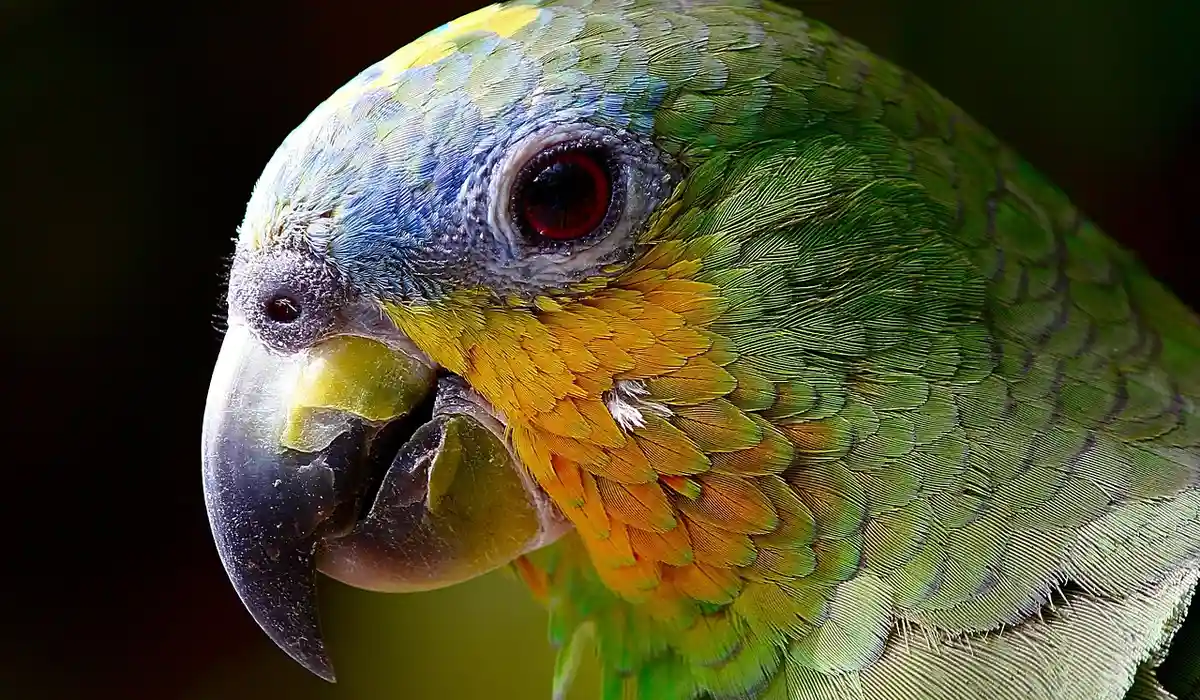
Getting an Eclectus parrot’s diet right is the single biggest factor in their long-term health. Their digestive systems are incredibly sensitive, far more so than my Green-cheeked Conure, Kiwi, which means processed pellets and seed mixes often do more harm than good. I learned this the hard way after some minor health scares early on. If you’re wondering whether Eclectus parrots eat a complete diet, this complete diet guide explains exactly what to feed and what to avoid.
You’ll want to build meals around fresh, raw fruits and vegetables. Focus on foods rich in vitamin A and calcium, as these are crucial for their vibrant feathers and strong bones. Think sweet potatoes, carrots, dark leafy greens like kale, and broccoli. I always chop everything into manageable, bite-sized pieces to make eating easy and fun.
Your Daily Feeding Schedule
Consistency is your best friend here. Follow this simple routine:
- Morning (8 AM): Offer a fresh chop of fruits and veggies. Remove any uneaten portions after a few hours to prevent spoilage.
- Afternoon (1 PM): A small, measured amount of a high-quality, organic pellet can be offered, but it should never be the main event.
- Evening (6 PM): A light snack, perhaps a slice of apple or a sprig of millet, as a bonding treat.
Hydration is Non-Negotiable
Eclectus parrots can be picky about their water. I provide fresh, filtered water in a clean bowl twice a day, without fail, because they often bathe in it and flick food into it. I also mist my birds with a spray bottle; they love the shower and it encourages them to drink droplets from their feathers. For the best water quality, I use filtered or bottled water when possible. Tap water can vary in quality and isn’t always ideal for parrots.
Safe Foods vs. Unsafe Foods
| Safe & Healthy Choices | Dangerous & Unsafe Foods |
|---|---|
| Mango, Papaya, Berries | Avocado, Onions, Garlic |
| Sweet Potato, Carrots, Bell Peppers | Chocolate, Caffeine, Alcohol |
| Collard Greens, Kale, Broccoli | Apple Seeds, Fruit Pits, Mushrooms |
| Cooked Legumes (no salt) | Salty, Sugary, or Fried Human Foods |
Social and Play Time: Enrichment and Bonding Tips
An Eclectus parrot is a deeply social creature who craves interaction. Their vocalizations are often soft, conversational chatters, unlike the louder calls of my Sun Conure, Sunny. They love to mimic household sounds and have quiet “conversations” with their favorite people.
Taming and Building Trust
Patience is everything. From taming my feisty Kiwi to earning the trust of my smart African Grey, Sage, I’ve found this method works wonders:
- Respect Their Space: Sit near their cage and talk softly, letting them observe you without pressure.
- Offer Treats by Hand: Start by offering a favorite fruit slice through the cage bars until they take it comfortably.
- Open-Door Policy: Once they’re curious, open the cage door and let them decide to come out on their own terms.
- Step-Up Training: Use a calm “step-up” command, rewarding them immediately with praise and a treat.
Toys and Activities to Beat Boredom
A bored Eclectus is a destructive Eclectus. I rotate toys every week to keep their environment novel and stimulating, which prevents feather plucking and other stress behaviors. Here are the winners in my flock:
- Foraging Toys: Puzzle boxes where they have to work for their treats.
- Shreddable Toys: Made of bird-safe wood, paper, and leather they can destroy guilt-free.
- Noise-Making Toys: Bells and rattles that satisfy their need to interact with their environment.
Daily Socialization Steps
Building a strong bond requires daily effort. I integrate my parrots into my daily routine, which makes them feel like part of the flock and drastically reduces anxiety. These proven bonding techniques that work are all about building trust with your bird. With patience and consistency, your parrot will learn to trust and engage. Here’s a simple daily checklist:
- Morning Greeting: Spend 10-15 minutes talking to them and offering a morning treat.
- Out-of-Cage Time: A minimum of 2-3 hours of supervised play outside the cage.
- Training Session: A short 5-minute training session to reinforce commands and tricks.
- Evening Wind-Down: Quiet time together, perhaps watching TV, to reinforce a calm, secure bond.
Health Check-Ins: Monitoring and Grooming Routines
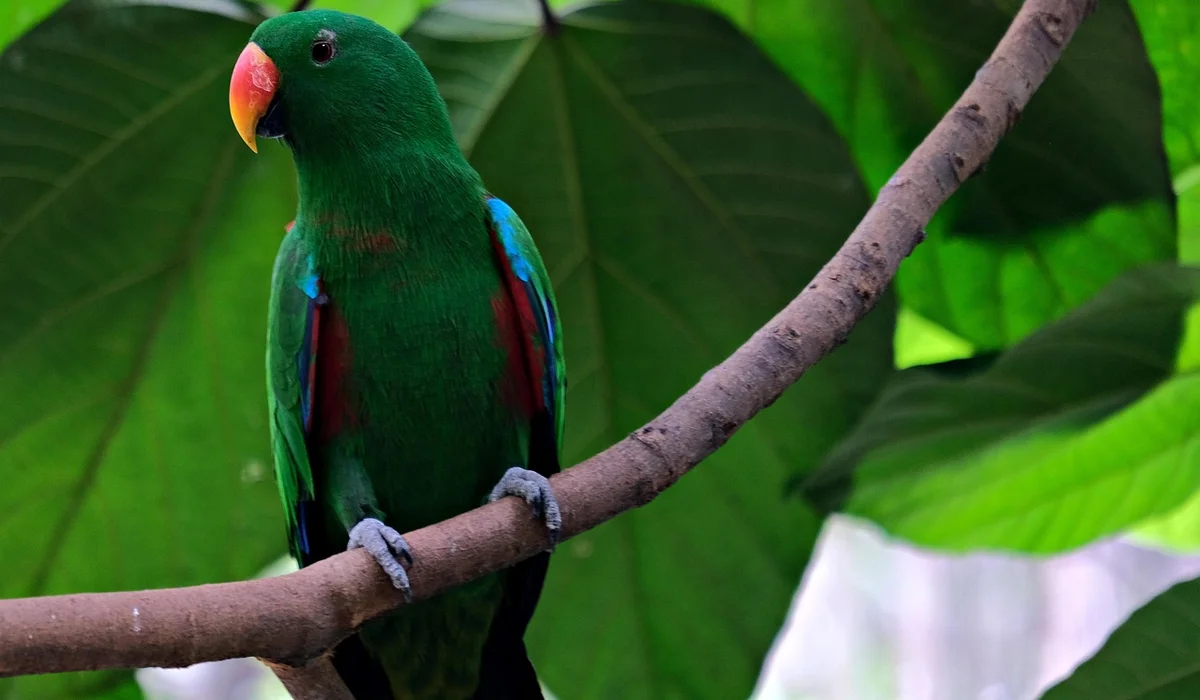
Your Eclectus parrot’s vibrant feathers and bright eyes tell a health story every single day. I make it a habit to observe my parrots during morning chatter and evening wind-downs, noticing subtle shifts before they become big problems.
Spotting Molt Changes and Health Signs
Molting isn’t just messy-it’s a window into their wellbeing. Look for these clues:
- Symmetrical feather loss across both wings
- New pin feathers appearing like tiny blue tubes
- Normal preening behavior without excessive scratching
- Consistent energy levels during feather regeneration
When my Green-cheek Kiwi molts, I watch for balanced nutrition and offer extra baths to ease itching. Catching irregular molting patterns early saved Sage from developing chronic feather issues last year.
Beak Care Basics and Vet Visits
Those powerful beaks need natural wear-down methods:
- Provide untreated wood perches and cactus pads
- Offer hard-shell nuts for cracking exercise
- Monitor for flaking or overgrowth at the tips
Any beak discoloration, uneven wear, or difficulty eating warrants immediate avian vet attention. I learned this when Sunny started favoring one side of his beak-turned out he needed a minor trim and dietary adjustment.
Common Feather Problems and Prevention
Eclectus parrots are particularly prone to feather stress signals:
- Barbering (chewing feather ends) often indicates boredom
- Stress bars across feathers show nutritional gaps
- Bald patches might signal hormonal changes or mites
Prevention starts with rotating toys weekly and maintaining 40-60% humidity in their environment. My flock gets daily misting sessions and foraging puzzles that keep their minds and feathers occupied.
Long-Term Care: Breeding and Safety Considerations
Planning for your Eclectus’s 30-year lifespan means thinking beyond daily care. Their long-term wellbeing depends on creating stable environments that support both physical safety and psychological health.
Breeding Needs and Environmental Safety
Even if you don’t plan to breed, understanding breeding behaviors helps manage hormonal changes:
- Limit daylight hours to 10-12 hours to reduce breeding triggers
- Avoid enclosed dark spaces that mimic nesting sites
- Rearrange cage furniture quarterly to disrupt territorial behavior
In both aviary and home settings, secure latches and bar spacing appropriate for their size prevent escapes and injuries. After Sage figured out standard cage locks, I switched to parrot-proof mechanisms.
Toxin Avoidance in Home Environments
Their sensitive respiratory systems make toxin awareness non-negotiable:
- Remove non-stick cookware from your kitchen
- Use unscented cleaning products around their area
- Avoid aerosol sprays, candles, and air fresheners
- Check houseplants for parrot-safe status-many common varieties are poisonous
I keep my parrots in well-ventilated rooms during cooking and never use chemical cleaners near their perches. This vigilance prevented a potential Teflon exposure incident last winter. Other common household toxins—fume from nonstick cookware, aerosols, and strong cleaners—can also make parrots sick. Being vigilant about air sources helps protect them from environmental toxins.
Maintaining Well-Being Over Decades
Longevity requires evolving care strategies as your parrot ages:
- Annual vet checkups become bi-annual after age 15
- Adjust perching options for arthritic feet in older birds
- Introduce softer foods as beak strength changes
- Maintain social interaction even if mobility decreases
Watching my senior African Grey transition to gentler play styles taught me that aging parrots need modified engagement, not less attention. Their golden years can be just as rich with proper preparation. Senior parrot health benefits from special care for aging birds. Regular vet checks, gentle enrichment, and appropriate nutrition support their comfort and vitality.
FAQs
What should I look for in a carrier for my Eclectus parrot?
Select a well-ventilated, escape-proof carrier that is large enough for your bird to turn around and perch comfortably. Ensure it has secure locks and is made from non-toxic, easy-to-clean materials for safe travel.
Are there recommended Eclectus parrot carriers available on Amazon?
Yes, Amazon offers various carriers suitable for Eclectus parrots, often with user reviews to help you choose. Look for models that specify appropriate size, durability, and safety features to meet your bird’s needs.
Where can I find carriers for sale that are suitable for Eclectus parrots?
Carriers are available at pet supply stores, online retailers like Amazon or Chewy, and avian specialty shops. Always check the product details for size, ventilation, and security to ensure a proper fit for your parrot. When choosing a housing cage, consider your parrot’s size and species to meet recommended cage dimensions and bar spacing.
Do Eclectus parrots make noise at night?
Eclectus parrots are typically quiet at night if they have a consistent dark and quiet sleep environment. Providing a covered cage and maintaining a regular bedtime routine can help prevent disturbances.
How often should I replace or upgrade my Eclectus parrot’s cage?
Inspect the cage regularly for wear and tear, and consider upgrading if it shows rust, damage, or is too small for your bird’s activity level. A spacious, safe cage should last years with proper maintenance to support your parrot’s well-being. To help you stay on top of upkeep, consider creating a weekly and monthly parrot cage maintenance checklist.
Wrapping Up Your Eclectus Journey
To keep your vibrant Eclectus thriving, remember their unique needs: a specialized pellet and fresh food diet is non-negotiable, their sensitive nature requires a calm and predictable environment, and their brilliant minds need daily interaction and enrichment. Their stunning beauty is a direct reflection of the dedicated, species-specific care you provide. For a complete parrot diet guide with Eclectus-specific diet requirements, safe foods, and portion sizes, consult our species feeding guide. This resource helps tailor meals to life stage and health.
Caring for a parrot is a lifelong commitment to learning and adapting. Your journey in pet parrot care doesn’t end here; it’s an ongoing, rewarding relationship built on observation, patience, and a deep respect for your feathered companion’s wild origins.
Further Reading & Sources
- Eclectus Parrot: Bird Species Characteristics and Care
- Eclectus Personality, Food & Care – Pet Birds by Lafeber Co.
- Eclectus Parrot Characteristics, Diet, Habitat, and More
Suzanne Levine is a dedicated parrot enthusiast and experienced avian caregiver with over 15 years of hands-on experience in parrot care. As the founder of Parrot Care Central, Suzanne is passionate about sharing her knowledge and insights to help fellow parrot owners provide the best possible care for their feathered friends. Her expertise spans nutrition, behavior, health, and enrichment, making her a trusted resource in the parrot care community.
Nutrition