
The Ultimate Guide to a Cleaner Home: Managing Parrot Mess
Published on: February 20, 2026 | Last Updated: February 20, 2026
Written By: Suzanne Levine
Are you constantly battling feathers, seed hulls, and droppings that make your living space feel more like a cleanup zone than a cozy home? I’ve been right there with you, sharing my life with parrots like Kiwi and Sunny for years, so I know exactly how overwhelming it can get.
You’re not alone in this struggle, and I’m here to help you turn things around with practical, bird-friendly tips. In this guide, you’ll gain insights on:
- Simple daily habits that cut down mess before it piles up
- Smart setups to contain spills and keep your parrot happy
- Safe cleaning products that protect both your home and your feathered friend’s health
Get ready for straightforward advice that really works. We’ll dive into daily routines, weekly deep cleans, emergency spill management, bird-safe supplies, and welfare-focused habits to make your home sparkle without stress.
Understanding Why Parrots Create Mess
Parrots aren’t trying to make your life difficult; they’re simply following their wild instincts. In nature, they forage, shred, and drop things constantly to find food and maintain their environment. In the wild, these behaviors are essential survival strategies. They help parrots cope with scarce food and changing seasons. My Green-cheeked Conure, Kiwi, taught me that this “mess” is actually a sign of a healthy, engaged bird.
Common Parrot Mess Triggers
Knowing what sets off the chaos helps you prepare and even redirect it. Here are the big ones:
- Mealtime Excitement: Parrots hull seeds and toss food to find the best bits. My Sun Conure, Sunny, joyfully flings pellets like confetti.
- Play and Exploration: Chewing and shredding toys is vital for their beak health and mental stimulation. It’s enrichment, not destruction.
- Preening and Molting: They naturally lose feathers and dander. My African Grey, Sage, can create a small cloud of grey dust just from a good preen.
- Hormonal Periods: During breeding seasons, birds may become more territorial and destructive with nesting behaviors.
Health Impacts of a Dirty Space
A messy cage and room aren’t just an eyesore; they pose real health risks. Accumulated food waste and droppings can quickly grow harmful bacteria and mold. I learned this the hard way when one of my birds developed a minor respiratory issue from dusty, damp bedding.
- Respiratory Problems: Inhaling feather dander and dust in a poorly ventilated space can lead to serious breathing issues for both you and your bird.
- Bacterial Infections: Spoiled food and fecal matter are breeding grounds for pathogens like E. coli and Salmonella.
- Parasites and Pests: A dirty environment can attract mites, flies, and other unwanted visitors that stress your parrot.
- Stress and Behavioral Issues: Living in filth causes anxiety, which can lead to feather plucking and aggression.
Setting Up a Daily Cleaning Routine
Consistency is your best friend. A simple, repeatable routine makes the task feel less overwhelming. I spend about 15 minutes total each day keeping my birds’ areas spotless, and it makes a world of difference.
Quick Morning and Evening Tasks
Bookend your day with these fast chores. They prevent mess from piling up.
- Morning: Wipe down cage bars and perches with a damp cloth. Replace food and water bowls with fresh contents.
- Evening: Do a “floor sweep” around the cage to collect discarded food and large feathers. Spot-clean any fresh droppings on play stands.
This two-step approach stops grime from hardening and keeps the air quality high all day.
Managing Feathers and Dander Daily
This is non-negotiable, especially with powder-down birds like Greys and Cockatoos.
- Vacuum or Sweep: I run a small handheld vacuum around the bird room every single day. It’s the fastest way to control dust and tiny feathers.
- Damp Dusting: Use a slightly damp microfiber cloth on surfaces near the cage. Dry dusting just sends the particles back into the air.
- Air Purification: Run a HEPA air purifier 24/7. It captures airborne dander and helps everyone breathe easier.
Staying on top of dander is the single most effective thing I do to protect my family’s and my parrots’ respiratory health.
Deep Cleaning Cages and Accessories
Step-by-Step Cage Deep Clean
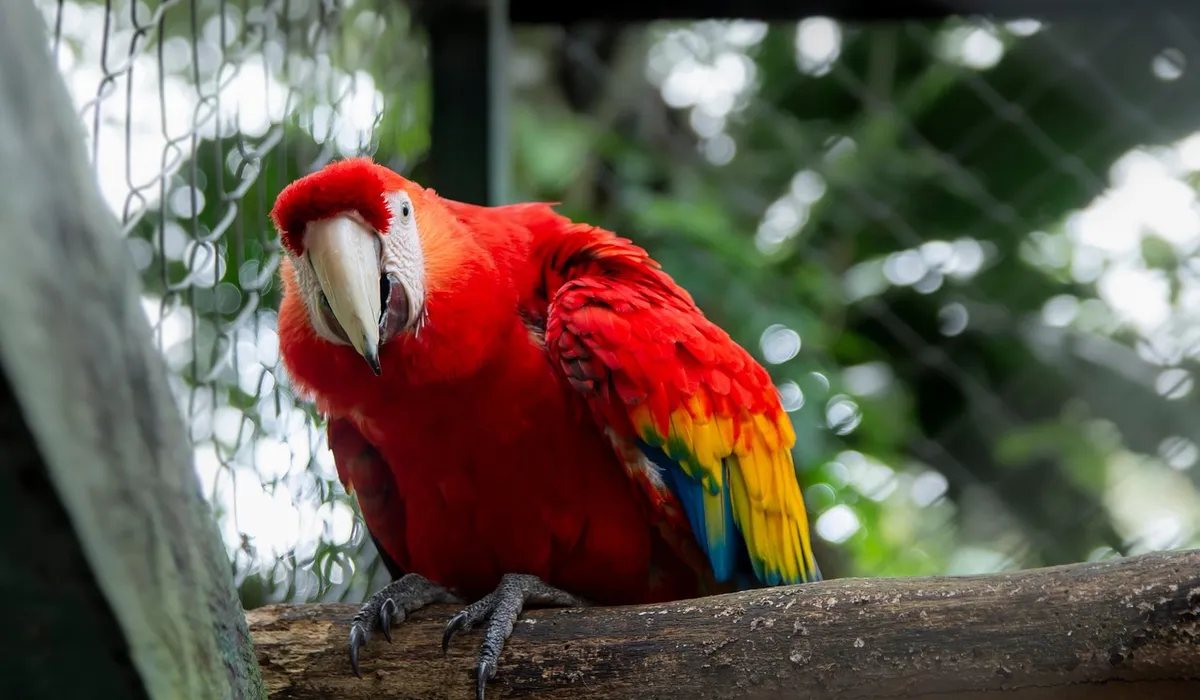
Start by moving your parrot to a safe, temporary spot—I always use a small play gym for Kiwi when I clean his cage. This prevents stress and keeps your bird away from any cleaning fumes or activity. Next, take everything out: food bowls, perches, and toys. Scrub the cage bars and bottom with warm, soapy water using a pet-safe dish soap. Rinse thoroughly to remove all soap residue, as leftover chemicals can harm your parrot. Dry the cage completely with a clean towel before putting anything back. A dry cage stops mold growth and keeps your bird healthy and comfortable. Being aware of common cage cleaning mistakes that harm your parrot’s health helps you clean more safely. Avoid leaving soap residue or using harsh chemicals, and make sure everything is thoroughly rinsed and dried.
- Relocate your parrot to a secure area away from the cleaning zone.
- Remove all accessories and debris from the cage.
- Wash the cage with a mild, pet-safe soap and warm water.
- Rinse well to eliminate any soap traces.
- Dry everything thoroughly before reassembling.
I do this weekly for Sunny’s cage, and it cuts down on odors and bacteria buildup. By using safe cleaners and regular ventilation, you can manage parrot cage odors safely and effectively. Regular deep cleans extend the life of your cage and protect your parrot from illness.
Sanitizing Toys and Perches
Toys and perches collect grime and germs quickly, especially with playful birds like Kiwi who love to chew. Sanitizing these items prevents the spread of bacteria and keeps your parrot’s environment safe. For non-porous toys, soak them in a solution of one part vinegar to two parts water for about 10 minutes. Scrub off any stuck-on food or droppings with a brush, then rinse and air-dry. Wooden perches need extra care—I sand down rough spots on Sage’s perches to remove dirt and then wipe with a damp cloth. Always avoid harsh chemicals that could poison your bird or irritate their sensitive respiratory systems. You can also make safe, fun homemade toys for your parrot using bird-safe materials and simple cleaning steps. DIY toys let you tailor play to Sage’s and Kiwi’s preferences while keeping safety a priority.
- Soak plastic or metal toys in a vinegar-water mix.
- Scrub with a soft brush to dislodge debris.
- Rinse thoroughly and let air-dry completely.
- Inspect and sand wooden items to maintain smoothness.
From my experience, rotating toys during cleaning helps reduce mess and keeps your parrot engaged. This routine not only cleans but also enriches your bird’s daily life.
Using Safe and Effective Cleaning Supplies
Top Pet-Safe Cleaners to Try
Choosing the right cleaners is vital for parrot safety—I’ve learned that many household products can be toxic. Choosing products labeled as bird-safe helps bridge safety and effectiveness. Cleaners marked pet-safe are designed with birds in mind, making routine cleaning safer for your feathered friend. Opt for brands specifically labeled as pet-safe or bird-friendly to avoid harmful residues. Products like Nature’s Miracle Bird Cage Cleaner or diluted white vinegar work wonders without risking your parrot’s health. Vinegar cuts through grime naturally and is gentle on surfaces. Another great option is hydrogen peroxide diluted with water for disinfecting; just test it on a small area first. These cleaners are effective yet mild, ensuring your home stays fresh without endangering your feathered friend.
- Nature’s Miracle Bird Cage Cleaner: Removes stains and odors safely.
- White vinegar solution: Natural disinfectant for cages and accessories.
- Diluted hydrogen peroxide: Kills germs on non-porous surfaces.
- Pet-safe enzymatic cleaners: Break down organic messes like droppings.
I use vinegar-based sprays for Sage’s cage, and it keeps everything sparkling clean. Sticking to these options supports animal welfare by minimizing exposure to toxins.
DIY Cleaning Solutions
Making your own cleaners is budget-friendly and lets you control what goes near your parrot. DIY solutions often use simple ingredients you already have at home, reducing waste and cost. For a general cleaner, mix equal parts water and white vinegar in a spray bottle—it’s great for wiping down cages and perches. Add a squeeze of lemon juice for extra freshness. For tougher stains, make a paste with baking soda and water, apply it, let it sit, then scrub and rinse. These homemade mixes are gentle on your parrot’s health and the environment, promoting a safer living space. This topic is part of our complete guide on how to clean your parrot’s environment safely. It walks you through steps to sanitize cages, perches, and accessories without harming your bird.
- Combine 1 cup water and 1 cup vinegar in a spray bottle for daily wiping.
- Add a tablespoon of lemon juice to boost cleaning power and scent.
- Mix baking soda with water to form a paste for stain removal.
- Always rinse surfaces well after using any DIY solution.
I’ve relied on these recipes for years with my parrots, and they’ve never caused any issues. Embracing DIY methods empowers you to maintain a clean home while prioritizing your bird’s well-being.
Preventing Mess with Smart Parrot-Proofing
Cage Setup for Less Mess
Position your parrot’s cage in a spot that’s easy to clean and away from high-traffic areas to cut down on scattered debris. I always place Kiwi’s cage on a washable mat to catch stray seeds and droppings, which makes daily tidying a breeze. Opt for cages with deep trays and removable grates-this design traps messes below, so your bird stays cleaner and you spend less time scrubbing.
- Use cage skirts or guards to contain flung food and feathers.
- Line trays with newspaper or disposable liners for quick swaps.
- Choose perches and toys that minimize shredding and scattering.
From my years with Sunny, I learned that a well-organized cage reduces stress for both of you. Keeping the environment tidy supports your parrot’s health and happiness, aligning with good animal welfare practices.
Training and Behavior Tips
Teach your parrot simple cues to encourage cleaner habits, like returning to their cage for droppings. With positive reinforcement, I trained Sage to step onto a designated perch when he needs to go, which cuts down on unexpected messes. This is a good example of positive reinforcement training parrots in action, where rewards guide the desired behavior. It helps make learning enjoyable and strengthens trust between you and your bird. Start with short sessions using treats and praise, focusing on consistency to build trust and cooperation.
- Reward desired behaviors immediately to reinforce them.
- Establish a routine for feeding and play to predict mess times.
- Redirect destructive chewing to approved toys to limit debris.
Parrots like Kiwi thrive on mental stimulation, which can curb messy behaviors out of boredom. Engaging your bird in playful activities not only keeps them entertained but also promotes a neater home environment.
Quick Cleanup Hacks for Busy Owners
Handling Droppings and Spills
Act fast on droppings by keeping damp cloths or pet-safe wipes within reach for instant wipe-ups. I rely on a simple vinegar-water spray for spills from Sunny’s water dish-it’s effective and non-toxic for curious beaks. For dried-on messes, let a damp cloth sit briefly to loosen grime without harsh scrubbing.
- Blot liquids quickly to prevent stains on floors or furniture.
- Use enzyme-based cleaners for organic stains to break them down safely.
- Spot-clean high-traffic areas daily to maintain freshness.
Regular cleanup prevents odors and keeps your space inviting. Be mindful that environmental toxins around the home—like fumes from nonstick cookware, aerosols, and certain cleaners—can make parrots sick. Staying proactive with messes ensures your parrot lives in a clean, healthy space that respects their well-being.
Tools for Faster Cleanups
Equip yourself with handy tools like a handheld vacuum for swift seed and feather removal. My go-to is a lightweight vacuum with attachments-it zips through Kiwi’s mess in minutes, saving me precious time. Stock up on microfiber cloths and a dedicated bin for soiled liners to streamline your routine.
- Keep a small caddy with cleaners and tools in easy reach.
- Use washable mats under cages and playstands for easy laundering.
- Invest in a spray mop for quick floor wipes after feedings.
From experience with Sage, having the right tools on hand turns cleanup from a chore into a quick task. Efficient tools help you focus more on bonding with your parrot and less on the mess they make.
FAQs
How can I prevent my parrot from throwing food everywhere?
Use foraging toys or weighted bowls to encourage slower, neater eating habits. Consistently reward calm behavior with treats to reinforce positive habits over time.
What’s the best way to clean parrot droppings from carpets?
Blot fresh droppings with a damp cloth and apply a pet-safe enzymatic cleaner to break down stains and odors. Avoid scrubbing harshly to prevent spreading the mess and damaging carpet fibers.
Is it okay to use a steam cleaner around my parrot?
Steam cleaning is safe if done in a well-ventilated area away from your bird, as the heat kills germs without chemicals. Always ensure surfaces are completely dry before allowing your parrot back to avoid respiratory issues from moisture.
Final Words
From my time with parrots like Kiwi and Sunny, I’ve found that a cleaner home starts with daily spot-cleaning, bird-safe supplies, and training tricks to reduce mess. Consistency in your routine turns chaos into calm, making life with your parrot more enjoyable for everyone. Routine training is key to tackling common behavioral issues with positive, short sessions. You can learn more about this approach here. When these sessions are consistent, they help keep your parrot engaged and your home calmer.
Remember, owning a parrot is a joyful journey that demands responsibility and a willingness to grow alongside your bird. Keep exploring new care tips and listen to your parrot’s needs—it’s the heart of being a great pet parent. Also, choosing the right parrot for your home lifestyle matters—consider space, noise, and daily interaction needs. Picking the right match helps you both thrive.
Further Reading & Sources
- Managing Mess in Parrots – Northern Parrots
- How to Keep Parrots with Less Mess: Essential Tips for a Cleaner Bird Care Routine | Birdsprees
- Maintaining a Clean Environment
Suzanne Levine is a dedicated parrot enthusiast and experienced avian caregiver with over 15 years of hands-on experience in parrot care. As the founder of Parrot Care Central, Suzanne is passionate about sharing her knowledge and insights to help fellow parrot owners provide the best possible care for their feathered friends. Her expertise spans nutrition, behavior, health, and enrichment, making her a trusted resource in the parrot care community.
Bird-proofing Your Home