Household Toxins: Hidden Dangers That Can Harm Your Parrot
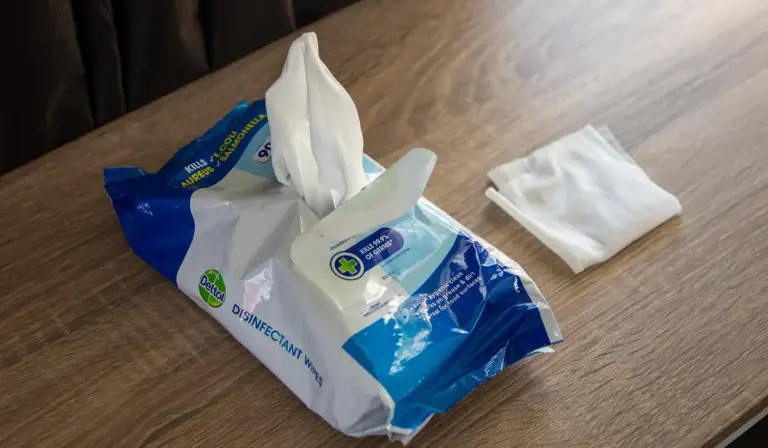
Identify household toxins that make parrots sick, spot symptoms, and prevent exposure with cleaners, foods, plants, and cages.

Parrot Care Blog from Proud Parrot Parents
Parrot Care Blog from Proud Parrot Parents
Clear, actionable guidance on feeding, housing, enrichment, health, and daily care to keep your pet parrot happy and healthy.
Identify household toxins that make parrots sick, spot symptoms, and prevent exposure with cleaners, foods, plants, and cages.
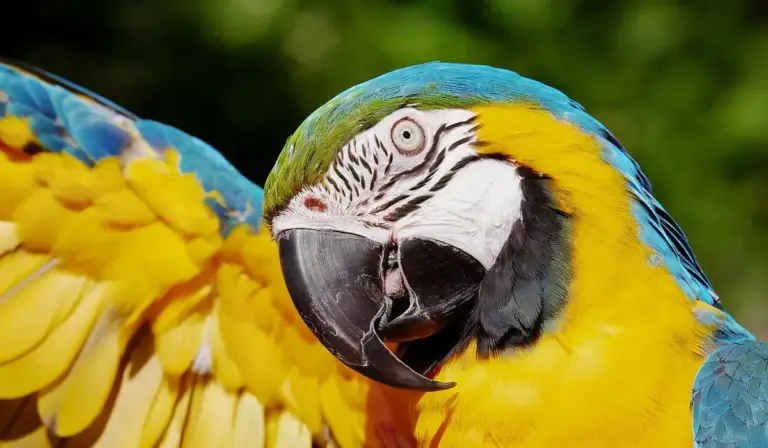
Parrot stopped talking? Practical tips on vocal changes: health clues, stress, enrichment, training, re-engage talking, vet care.
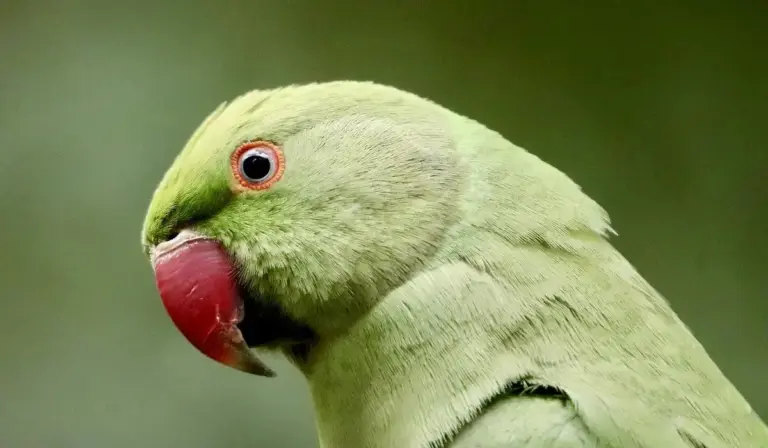
Ideal temp range for pet parrots; measure temps, maintain temps, account for species, drafts, humidity, and heating safety.
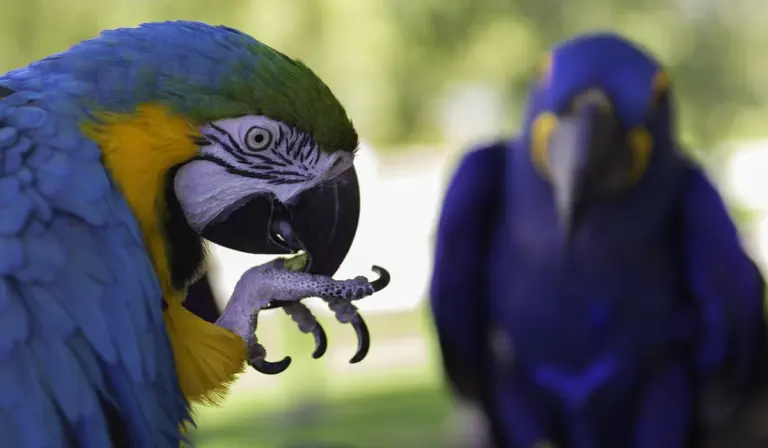
Ideal parrot temperature range; measure, maintain heat, humidity, drafts, seasonal shifts, signs of distress, and equipment.
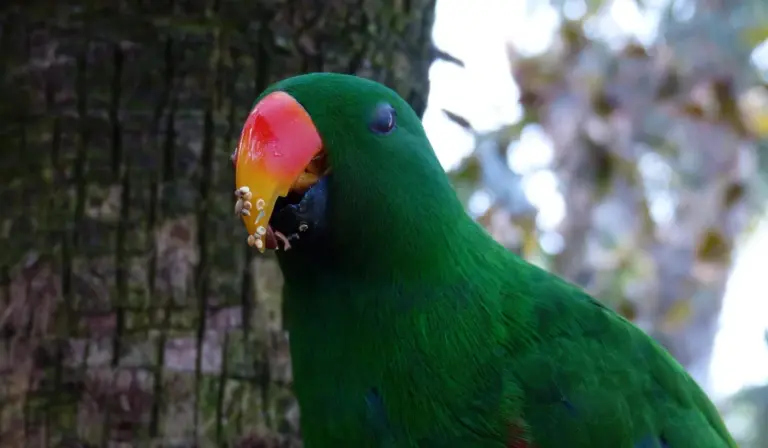
Parrot not eating or drinking? Common causes, how to diagnose, diet and hydration fixes, signs to watch, when to see a vet.
Emergency guide: what to do if your parrot eats something toxic—identify toxins, give first aid, call the vet, and safety steps.
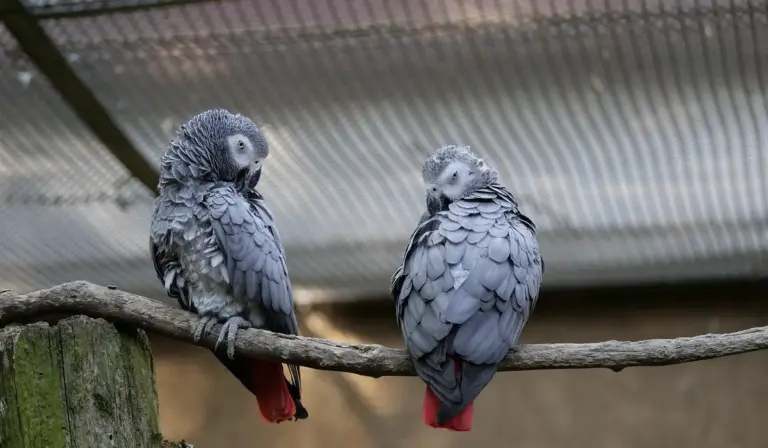
Parrot toxic foods: complete list of items to avoid, poisoning signs, first-aid steps, and safe feeding alternatives.
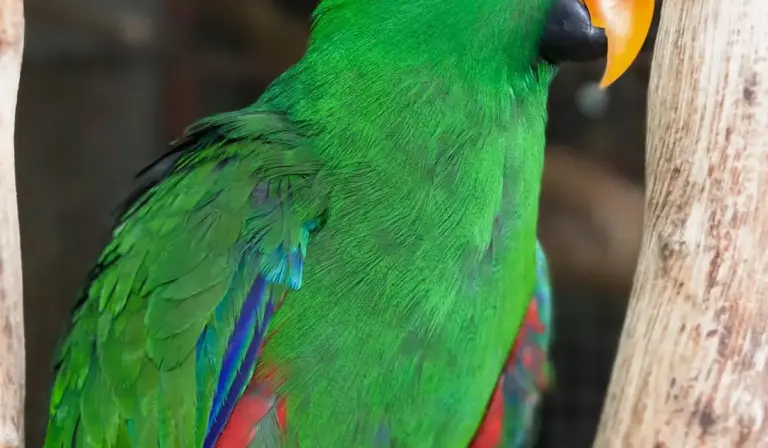
Pellets vs seeds: decide the best base diet for your parrot with nutrition, balance, transition plans, cost, safety, and variety.
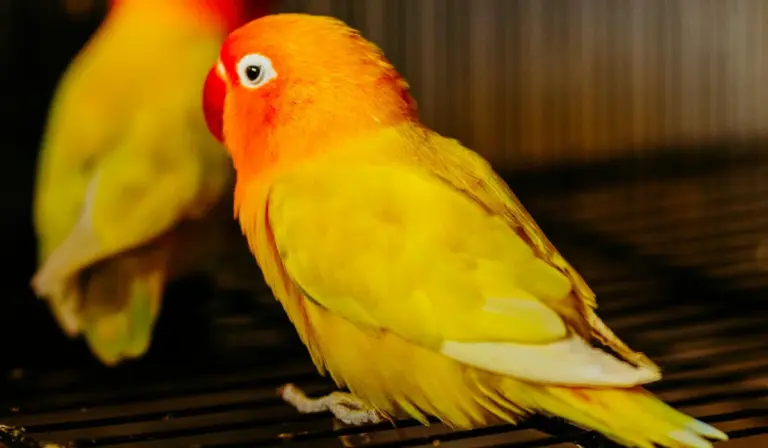
Boarding vs sitter for your parrot: compare costs, safety, routine, enrichment, emergencies, prep, and how to choose.
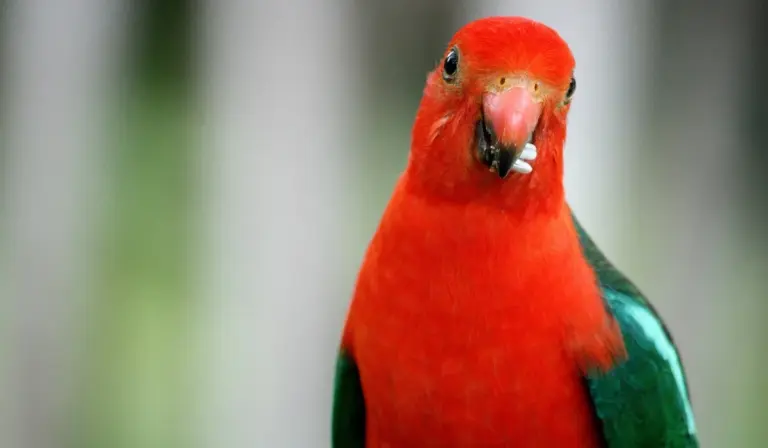
Parrot care: what wild parrots eat, seasonal variety, mirror diet in captivity, safe vs toxic foods, and feeding tips.