
Introducing a New Baby to Your Pet Parrot: A Complete Safety Guide
Published on: January 6, 2026 | Last Updated: January 6, 2026
Written By: Suzanne Levine
Are you feeling anxious about how your parrot will handle the arrival of a new baby? I remember bringing my first child home and watching my Green-cheeked Conure, Kiwi, tilt his head in curiosity-it’s a moment filled with joy but also real concerns for everyone’s well-being.
Drawing from my years caring for parrots like Sunny and Sage, I’ll help you turn worry into a smooth, safe transition. Here are three key takeaways you’ll master:
- Setting up your parrot’s space and routine to reduce stress before the baby comes home
- Using gentle, step-by-step methods for that first safe meeting between bird and baby
- Building habits that keep jealousy at bay and nurture a happy household
You’ll walk away with practical steps that are easy to apply. This guide covers essential areas in a clear sequence: preparation steps, introduction techniques, safety protocols, jealousy management to give you a full picture.
Is Your Home Ready? Baby-Proofing for Parrot Safety
Getting your home parrot-safe before a baby arrives feels like a puzzle where every piece matters. I spent weeks tweaking Kiwi’s cage setup after my niece was born, and it made all the difference in keeping her curious beak and tiny hands safe. For maximum enrichment, set up the cage with rotating toys and foraging puzzles. Use varied perches and safe chew items to keep Kiwi mentally engaged while staying safe. Start with these steps to create a secure space that protects both your feathered friend and your little one.
- Anchor the cage firmly to prevent tipping; I used heavy-duty straps for Kiwi’s enclosure after a close call with a playful dog.
- Adjust perches to higher spots, away from grabby baby hands, and ensure they’re stable-wobbly perches spooked Sunny once, leading to a frantic flap-around.
- Remove small hazards like loose toys or cords; Sage, my African Grey, once nibbled a stray button, reminding me how quickly things can go wrong.
- Manage noise by adding soft background sounds, like a quiet fan or low-volume music, to mask sudden baby cries that startle birds.
- Create calm zones with dim lighting and covered cage areas for retreats, mimicking the peaceful nooks parrots seek in the wild.
These adjustments help your parrot feel secure while reducing risks. Regularly inspect your setup for wear and tear, as parrots like Kiwi love testing limits with their strong beaks.
Understanding Parrot Behavior: Reading Signs and Preventing Bites
Parrots speak through their bodies, not words, and missing those cues can lead to nips or worse. Watching Sage’s subtle grey feathers puff up taught me to back off before a bite ever happened, saving us both stress. Learn to spot these common signals to keep interactions smooth and safe.
- Pinned eyes and raised feathers often mean excitement or aggression; Sunny’s vibrant yellow crest goes up when she’s overstimulated.
- Lunging or beak clacking signals “stay away”; Kiwi does this when he feels cornered, a clear warning to give space.
- Flattened body posture indicates fear; I’ve seen Sage crouch low during loud noises, a sign she needs quiet time.
Use this checklist to prevent bites and handle your parrot calmly:
- Approach slowly from the side, not head-on, to avoid seeming like a threat.
- Offer treats from an open palm to build trust; Sunny adores sunflower seeds as peace offerings.
- Respect their “no” by stepping back if they show stress signs-forcing contact backfires fast.
- Practice short, positive sessions to acclimate them to baby sounds, like recording cries to play softly.
Every parrot has a unique personality, so tailor your approach based on their cues for a happier household. I recall how Kiwi’s playful nibbles turned gentle once I learned his body language, proving patience pays off in building bonds.
The Gradual Introduction: A Step-by-Step Guide
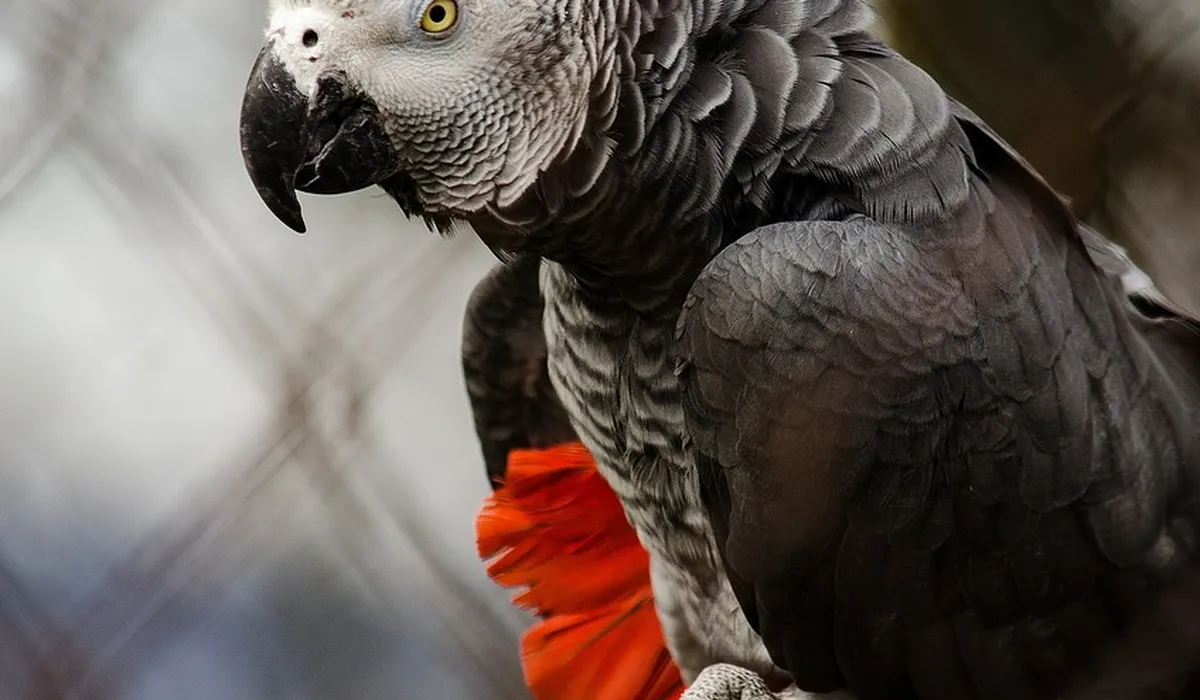
Rushing this process is the fastest way to create a nervous, jealous bird. I learned with my conure, Kiwi, that a slow, predictable pace builds trust far better than any quick introduction ever could.
Pre-Introduction Preparations
Start these routines months before your due date. This isn’t just about the bird; it’s about training yourself for your new life.
- Establish new, independent playtimes for your parrot where they enjoy their favorite toys without your direct involvement.
- Practice leaving the room for short periods while your bird is content in their cage, rewarding quiet behavior.
- Record a baby’s cry and play it at a low volume during the day, gradually increasing it as your parrot shows calm curiosity.
- I moved Kiwi’s cage a few inches each day to its final “baby-safe” location weeks in advance, which prevented any sudden stress.
First Meetings and Beyond
The first impression sets the stage. Keep it calm, brief, and positive for everyone involved.
- Bring your baby into the room while your parrot is securely in their cage. Sit quietly across the room.
- Speak to your parrot in a happy, soothing voice about the baby. Let them observe from a safe distance.
- After a few days, move a bit closer for just a minute or two. Always end the session while your bird is still calm.
- Only consider closer interaction when your parrot shows relaxed body language-preened feathers, soft eyes, quiet chirps.
I never let my sun conure, Sunny, on my shoulder when holding my newborn, a rule that prevented any accidental nips or startling movements. Every interaction was supervised, and we repeated these short, positive sessions until it felt normal.
Health First: Monitoring Your Baby and Parrot’s Well-being
Your number one job is protecting two fragile lives. This means being a vigilant observer of both your child’s and your bird’s health signals.
- Watch your baby for any signs of allergic reactions, like sneezing, skin rashes, or watery eyes after being in the same room as the bird.
- Monitor your parrot for classic stress signs: feather plucking, loss of appetite, unusual screaming, or aggression.
- Schedule a well-bird check-up with your avian vet to ensure your parrot is in top health before the baby becomes more mobile.
- My African Grey, Sage, became unusually quiet, a subtle sign of stress I caught early because I was watching closely.
Trust your gut-if something feels off with either your baby or your bird, separate them and consult your pediatrician or avian vet immediately.
Hygiene and Disease Prevention
Simple, consistent habits are your best defense against cross-contamination. It’s not complicated, but it is non-negotiable.
- Wash your hands thoroughly with soap and water every single time you handle your parrot or clean their cage before touching your baby.
- Keep the bird’s cage, food, and water dishes impeccably clean and far from any areas where your baby plays or eats.
- Never allow your parrot to walk on surfaces where your infant will be, like changing tables or playmats.
- Assign specific “bird clothes” or a smock to wear during messy cage cleanings to avoid carrying dander or dust to your child.
This routine became as automatic as buckling a seatbelt, a simple daily practice that kept my baby safe and my conscience clear.
Safe Play and Bonding: Encouraging Positive Interactions
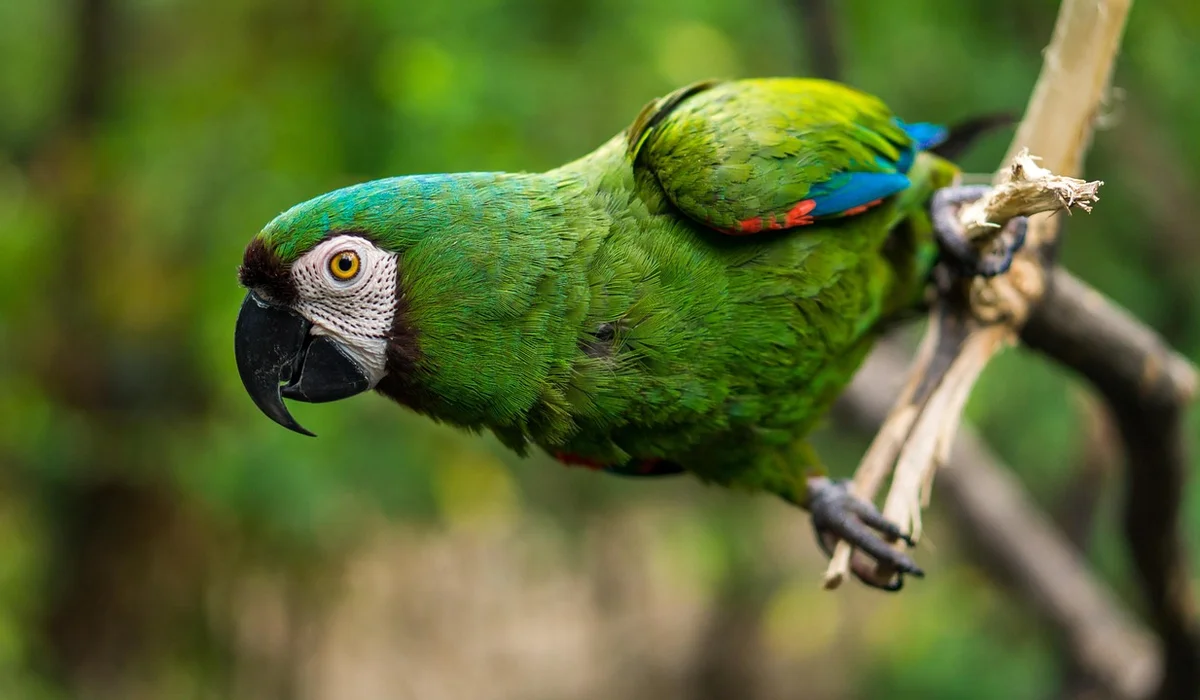
Watching my conure, Kiwi, learn to interact with my young nephew taught me that positive bonding happens through short, supervised, and predictable activities.
Supervised Play Ideas for Toddlers and Parrots
Always keep one hand on your child and one eye on your bird. The goal is calm, shared experiences.
- Reading Sessions: Have your toddler sit on your lap while you read a picture book aloud. Your parrot can sit on your shoulder or a nearby perch, listening to the soothing rhythm of your voice.
- Gentle Puzzle Time: Give your toddler a simple wooden puzzle. Let your parrot watch from its cage or a play gym. My African Grey, Sage, loves to observe and will sometimes softly mimic the sounds of puzzle pieces clicking into place.
- Foraging Fun: Hide a few of your parrot’s favorite healthy treats in a foraging toy. Your toddler can watch the bird solve the puzzle from a safe distance, turning snack time into an engaging show.
A List of Safe, Shared Toy Options
Never let a toddler hand a toy directly to a parrot. Instead, these are items they can both enjoy separately, in the same room. Consider making safe, fun homemade toys for your parrot. Simple, bird-safe materials can keep them entertained in the same room.
- Child’s Toys: Large, BPA-free plastic blocks, soft fabric books, and simple shape sorters.
- Parrot’s Toys: Untreated wood blocks, hard plastic puzzle toys, and paper-wrapped treats. Always choose bird-safe materials, as parrots will chew and ingest things.
- Absolutely Avoid: Toys with small, detachable parts, strings, or soft rubber that either child or bird could choke on.
From my experience, the most harmonious moments come from parallel play, not forced interaction. Patience and consistency build a foundation of trust that keeps everyone safe and happy.
When Things Go Wrong: Emergency Procedures and Professional Help
Even with perfect planning, parrots are unpredictable animals and toddlers are curious beings. Having a clear plan for accidents is not being pessimistic; it’s being prepared.
Immediate Steps for a Bite or Scratch
If your parrot bites or scratches your child, your response sets the tone for recovery.
- Stay Calm: Do not yell or jerk away suddenly, as this can frighten the bird and worsen the situation.
- Separate Gently: Calmly place your parrot back in its cage or on a secure perch.
- Attend to the Child: Comfort your toddler first. Then, wash the wound immediately with warm water and soap for at least five minutes.
- Apply First Aid: Use an antiseptic and cover the wound with a sterile bandage.
When to Call a Professional Immediately
Some situations require more than a bandage and a hug.
- For the Child: Seek medical help if the bite is deep, won’t stop bleeding, shows signs of infection (redness, swelling, pus), or if you have any concerns about tetanus.
- For the Parrot: Contact an avian veterinarian if your bird shows signs of stress-induced illness like prolonged loss of appetite, lethargy, or feather plucking after an incident.
- For Behavior: If aggression becomes a pattern, consult a certified parrot behaviorist. They can identify the root cause, whether it’s fear, territoriality, or something else.
I learned this the hard way when my sun conure, Sunny, got spooked and nipped a visitor. A calm, practiced response prevented a minor incident from becoming a major trauma for both the bird and the person involved.
FAQs
How long should the introduction process take before I can consider my parrot and baby safe together?
The timeline varies by parrot, but it often takes weeks to months for full adjustment. Always prioritize gradual progress over rushing to ensure lasting safety and trust.
What are some common mistakes to avoid when introducing a baby to a parrot?
Never force interactions or leave them unsupervised, as this can trigger fear or aggression. Avoid sudden changes in routine that might stress your parrot and lead to behavioral issues.
Can my parrot’s diet affect its behavior around the new baby?
Yes, a poor diet can increase irritability, so provide balanced nutrition to keep your parrot calm. Consult an avian vet for tailored advice to support stable behavior during transitions.
In Closing
Bringing a new baby home means taking slow, supervised steps to help your parrot adjust, like I did with Kiwi, my Green-cheeked Conure, by letting him observe from a safe distance and rewarding calm behavior. Always prioritize supervised interactions and positive reinforcement to build trust between your feathered friend and the new family member.
Responsible parrot care means staying curious and learning more about their needs, as I do with Sage, my African Grey, by reading up on bird behavior and welfare. Keep educating yourself and advocating for your parrot’s well-being to ensure a happy, harmonious home for everyone.
Further Reading & Sources
- Introducing Your Parrot to Your New Baby Safely
- Essential Training Tips for Baby Parrots: A Comprehensive Guide – Petpalace.uk
- r/parrots on Reddit: Advice on introducing baby to parrot?
Suzanne Levine is a dedicated parrot enthusiast and experienced avian caregiver with over 15 years of hands-on experience in parrot care. As the founder of Parrot Care Central, Suzanne is passionate about sharing her knowledge and insights to help fellow parrot owners provide the best possible care for their feathered friends. Her expertise spans nutrition, behavior, health, and enrichment, making her a trusted resource in the parrot care community.
Bird-proofing Your Home